OEM Wet Wipes Manufacturer: MOQ, Process & Cost Explained
Introduction
The global demand for wet wipes continues to grow across multiple sectors, including baby care, personal hygiene, healthcare, household cleaning, and commercial sanitation. As a result, many brands, distributors, retailers, and importers choose to work with an OEM wet wipes manufacturer to launch or expand their product lines efficiently.
However, for businesses new to OEM production, questions often arise around minimum order quantity (MOQ), manufacturing process, and overall cost structure. Misunderstanding these factors can lead to unexpected expenses, delays, or unsuitable supplier partnerships.
This article provides a clear, practical, and transparent explanation of how OEM wet wipes manufacturing works, what determines MOQ, how production is organized, and how costs are calculated-helping you make informed decisions and avoid common pitfalls.
What Does an OEM Wet Wipes Manufacturer Do?
An OEM (Original Equipment Manufacturer) wet wipes factory produces wet wipes according to a client's specifications and sells them under the client's brand name. The manufacturer is responsible for:
Raw material sourcing
Nonwoven fabric processing
Liquid formulation
Wipe cutting, folding, and saturation
Packaging and labeling
Quality control and testing
The brand owner controls the product concept, branding, positioning, and sales channels, while the OEM factory provides manufacturing expertise and infrastructure.
Why Choose OEM Wet Wipes Manufacturing?
Faster Market Entry
OEM production eliminates the need to build factories, hire technical staff, or develop formulations from scratch.
Lower Initial Investment
You avoid capital expenditure on machinery and R&D while benefiting from established production lines.
Flexible Customization
OEM manufacturers can tailor formulations, materials, sizes, and packaging to meet specific market needs.
Scalable Production
As your business grows, OEM factories can increase output without disrupting product consistency.
Understanding MOQ in OEM Wet Wipes Manufacturing
What Is MOQ?
MOQ (Minimum Order Quantity) is the smallest quantity an OEM factory is willing to produce in one order. It ensures production efficiency and cost control.
Typical MOQ Ranges
While MOQs vary by factory and product type, general ranges include:
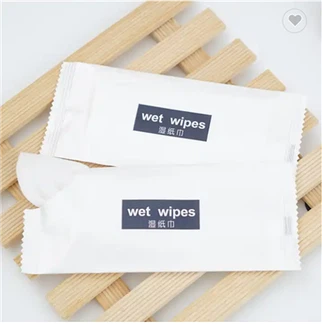
Standard wet wipes (flow pack): 5,000–20,000 packs
Alcohol or disinfectant wipes: 10,000–30,000 packs
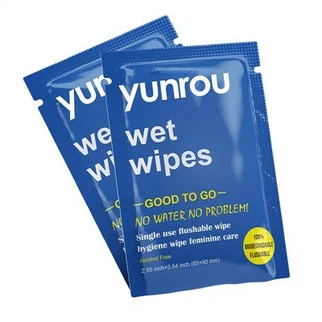
Flushable wipes: Slightly higher due to specialized materials
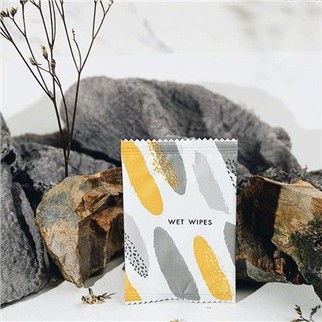
Sachet / single-use wipes: Higher MOQ due to complex packaging
Factors That Affect MOQ
1. Packaging Customization
Custom-printed films, lids, or sachets often require higher MOQ due to printing setup costs.
2. Formula Complexity
Special formulations (alcohol-based, antibacterial, sensitive skin) may increase MOQ requirements.
3. Wipe Size and Material
Non-standard sizes or specialty fabrics usually raise production thresholds.
4. Production Line Efficiency
Factories optimize machine setup for continuous production, making very small orders inefficient.
OEM Insight:
An experienced OEM wet wipes manufacturer may help new clients start with a lower MOQ by using existing packaging materials or standard formulations.
Step-by-Step OEM Wet Wipes Manufacturing Process
Understanding the production process helps you communicate effectively with your OEM partner.
Step 1: Product Definition and Quotation
The process begins with defining:
Wipe type and application
Fabric material and GSM
Wipe size and folding method
Formula requirements
Packaging format and pack count
Based on these details, the OEM manufacturer provides a quotation.
Step 2: Sample Development
Samples are produced to confirm:
Fabric softness and thickness
Liquid saturation level
Fragrance or alcohol strength
Packaging quality
Sample approval is a critical milestone before mass production.
Step 3: Raw Material Preparation
Once samples are approved:
Nonwoven fabric is sourced or prepared
Liquid formulation is produced in controlled batches
Packaging materials are printed and delivered
Quality checks are performed on all incoming materials.
Step 4: Wipe Production and Saturation
The manufacturing line:
Cuts and folds nonwoven fabric
Precisely injects liquid formulation
Ensures consistent saturation across all wipes
Automation ensures accuracy and hygiene.
Step 5: Packaging and Sealing
Wipes are packed into:
Flow packs
Canisters
Sachets or travel packs
Seal integrity is especially important to prevent moisture loss and contamination.
Step 6: Quality Control and Inspection
Finished products undergo:
Appearance inspection
Weight and count verification
Seal testing
Microbial safety checks
Only qualified products proceed to shipment.
Step 7: Shipping and Export
Products are packed into cartons and pallets, prepared with export documentation, and shipped via sea or air freight.
Cost Structure of OEM Wet Wipes
Understanding cost components helps you control pricing and margins.
Main Cost Components
1. Nonwoven Fabric
One of the largest cost factors
Price varies by material, thickness, and origin
2. Liquid Formulation
Depends on ingredients used
Alcohol-based formulas are more expensive
3. Packaging Materials
Printed films and lids increase cost
Sachet packaging has higher unit costs
4. Labor and Manufacturing
Includes machine operation and quality control
Automated lines help control costs
5. Testing and Compliance
Microbial testing
Stability testing
Documentation preparation
6. Logistics and Shipping
Freight cost varies by volume and destination
Wet wipes are bulky, affecting shipping cost per unit
How to Optimize OEM Wet Wipes Cost
Use Standard Components at Launch
Standard fabrics and packaging reduce MOQ and setup costs.
Avoid Over-Customization Early
Highly customized products are better introduced after market validation.
Plan Order Quantities Strategically
Larger volumes reduce unit cost but increase inventory risk.
Work with an Experienced OEM Partner
Efficient factories help balance quality and cost.
Common OEM Wet Wipes Pricing Mistakes
Comparing suppliers only by unit price
Ignoring packaging and logistics costs
Underestimating MOQ implications
Skipping proper sample testing
A low initial price can lead to higher long-term costs if quality issues arise.
Quality Standards and Certifications
Professional OEM wet wipes manufacturers typically hold:
ISO 9001 (quality management)
GMP certification
Internal microbial control systems
For certain markets, additional compliance support may be provided.
Choosing the Right OEM Wet Wipes Manufacturer
When selecting a factory, evaluate:
Experience with your target product category
Ability to explain process and cost transparently
Quality control systems
Export and compliance experience
Long-term cooperation mindset
A reliable OEM partner is essential for sustainable growth.
Frequently Asked Questions (FAQ)
Q1: Can I start OEM wet wipes with a small budget?
Yes, by selecting standard formulations and packaging, many brands start with manageable investment.
Q2: How long does OEM production take?
Typically 4–6 weeks after sample approval.
Q3: Can OEM factories help reduce MOQ?
Some factories offer flexible solutions for new brands.
Q4: Is it possible to change formulation later?
Yes, formulations can be adjusted as your brand evolves.
Q5: Do OEM manufacturers handle export documents?
Professional factories provide full export support.
Conclusion
Working with an OEM wet wipes manufacturer is one of the most efficient ways to enter or expand in the wet wipes market. Understanding MOQ, production process, and cost structure allows you to plan realistically, control risk, and build a competitive product line.
With the right OEM partner, brands can focus on marketing and sales while relying on professional manufacturing expertise.
Call to Action
If you are looking for a reliable OEM wet wipes manufacturer offering transparent MOQ, stable quality, and competitive cost,
Nice Wet Wipe is ready to support your business.
📩 Contact us today to discuss your OEM wet wipes project, request samples, and receive a customized quotation.