How to Start a Private Label Wet Wipes Business: A Complete Step-by-Step Guide
The global wet wipes market has experienced steady growth over the past decade, driven by rising hygiene awareness, convenience-focused lifestyles, and expanding applications across baby care, personal hygiene, household cleaning, and healthcare. As a result, private label wet wipes have become an attractive business opportunity for entrepreneurs, brand owners, distributors, and importers.
Starting a private label wet wipes business allows you to launch your own brand without investing in manufacturing facilities, R&D laboratories, or complex production equipment. By working with an experienced OEM manufacturer, you can focus on branding, marketing, and sales while relying on professional production support.
This guide explains how to start a private label wet wipes business from scratch, covering market research, product positioning, formulation options, packaging decisions, regulatory compliance, cost structure, and long-term scaling strategies.
What Are Private Label Wet Wipes?
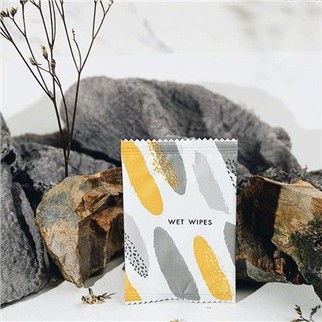
Private label wet wipes are products manufactured by an OEM factory and sold under your own brand name. The manufacturer handles production, quality control, and often regulatory documentation, while you control:
Brand identity
Product positioning
Target market
Packaging design
Sales channels
This model is widely used by retailers, e-commerce brands, wholesalers, and emerging consumer brands because it significantly reduces startup risk.
Why Start a Private Label Wet Wipes Business?
Low Barrier to Entry
You do not need to invest in factories, machinery, or technical expertise. OEM manufacturers already have established production lines and tested formulations.
Scalable Business Model
You can start with a small product range and gradually expand into multiple wipe categories as demand grows.
Strong Market Demand
Wet wipes are consumable, repeat-purchase products with applications across multiple industries.
Brand Control
You own the brand and customer relationship, allowing higher margins and long-term brand value.
Step 1: Market Research and Product Positioning
Before contacting any OEM factory, it is essential to define what type of wet wipes you want to sell and who your customers are.
Popular Private Label Wet Wipes Categories
Baby wipes
Alcohol disinfectant wipes
Flushable toilet wipes
Personal hygiene wipes
Makeup remover wipes
Pet wipes
Household cleaning wipes
Each category has different regulatory requirements, cost structures, and customer expectations.
Key Questions to Answer
Are you targeting B2C retail, B2B distribution, or online sales?
Is your brand focused on affordability, premium quality, or sustainability?
Which markets will you sell to (US, EU, Middle East, Asia)?
Clear positioning will guide all future decisions.
Step 2: Choosing the Right Private Label Wet Wipes Manufacturer
Your OEM partner is the foundation of your business. Choosing the wrong factory can lead to quality issues, compliance problems, and damaged brand reputation.
What to Look for in an OEM Manufacturer
Experience in private label wet wipes
Multiple product categories and formulations
International export experience
Quality certifications (ISO, GMP)
Transparent communication and sampling process
Questions to Ask Potential Suppliers
What wet wipe categories do you specialize in?
Can you customize formulations and packaging?
What is your MOQ?
What documents do you provide for import and compliance?
Can you support long-term scaling?
A professional OEM factory acts as a partner, not just a supplier.
Step 3: Selecting Wet Wipes Formulation
Formulation directly affects product performance, skin safety, and regulatory approval.
Common Formulation Types
Water-Based Wipes
Mild and versatile
Suitable for baby and personal care wipes
Lower regulatory complexity
Alcohol-Based Wipes
Used for disinfection
Require precise alcohol concentration
Higher packaging and safety requirements
Specialized Formulas
Aloe-infused
Sensitive skin / fragrance-free
Antibacterial or antifungal
OEM Customization
Most OEM manufacturers offer:
Fragrance or fragrance-free options
pH-balanced formulations
Dermatologically tested formulas
Alcohol concentration customization
Step 4: Choosing the Right Wipe Material
The wipe substrate is just as important as the liquid formula.
Common Materials Used
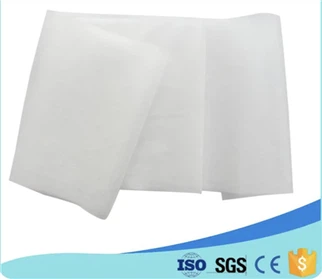
Spunlace nonwoven
Viscose / polyester blends
100% plant-based fibers
Biodegradable nonwoven fabrics
Material Selection Factors
Softness and skin feel
Absorbency
Strength when wet
Environmental positioning
Cost per unit
For private label brands, material choice strongly influences perceived quality.
Step 5: Packaging Design and Format
Packaging affects shelf appeal, cost, and user convenience.
Popular Packaging Options
Flow pack with resealable label
Flow pack with plastic lid
Canister packaging
Single-use sachets
Travel-size packs
Branding Considerations
Logo visibility
Color consistency
Clear usage instructions
Compliance labeling
OEM factories usually provide packaging templates and technical guidance.
Step 6: Understanding Regulatory and Compliance Requirements
Regulations vary by country and product type.
Common Documents Provided by OEM Manufacturers
MSDS (Material Safety Data Sheet)
COA (Certificate of Analysis)
Ingredient list
Product specification sheet
Market-Specific Considerations
US: FDA / EPA guidance (depending on product)
EU: Cosmetic or biocidal regulations
Middle East: Import registration and labeling
Your OEM partner should assist with documentation, but final responsibility lies with the brand owner.
Step 7: MOQ, Pricing, and Cost Structure
Understanding costs early helps avoid surprises.
Typical Cost Components
Raw materials
Nonwoven fabric
Liquid formulation
Packaging materials
Labor and quality control
Logistics and shipping
MOQ Range
Standard wet wipes: 5,000–20,000 packs
Customized packaging: higher MOQ
Sachet wipes: higher production cost
Starting with a manageable MOQ allows you to test the market before scaling.
Step 8: Sampling and Product Testing
Before mass production, always request samples.
What to Evaluate in Samples
Wipe softness and thickness
Liquid saturation
Fragrance level
Packaging seal quality
Overall user experience
Sampling is also an opportunity to fine-tune details before committing to a large order.
Step 9: Branding and Marketing Strategy
A private label wet wipes business succeeds or fails based on branding and distribution.
Common Sales Channels
Online marketplaces
Direct-to-consumer websites
Retail chains
Wholesalers and distributors
Hospitality and institutional buyers
Branding Tips
Focus on one clear value proposition
Avoid overloading claims
Use clean and professional design
Build trust through transparency
Step 10: Logistics and Inventory Planning
Wet wipes are bulky products, so logistics planning is crucial.
Shipping Options
Sea freight (most cost-effective)
Air freight (urgent orders)
Mixed container loads
Inventory Tips
Avoid over-ordering at launch
Plan reorder cycles carefully
Monitor shelf life and storage conditions
Step 11: Scaling Your Private Label Wet Wipes Business
Once your initial product is successful, scaling becomes easier.
Expansion Strategies
Add new wipe categories
Launch premium or eco-friendly lines
Enter new geographic markets
Increase pack size options
OEM manufacturers can support scaling with stable production capacity.
Common Mistakes to Avoid
Choosing price over quality
Ignoring compliance requirements
Overcomplicating product positioning
Skipping proper sampling
Working with inexperienced factories
Avoiding these mistakes saves time and money.
Frequently Asked Questions (FAQ)
Q1: How much capital is needed to start a private label wet wipes business?
Startup costs vary, but many brands begin with a modest budget by using OEM manufacturing.
Q2: Can I customize the formulation completely?
Yes, most OEM factories allow formulation adjustments based on your needs.
Q3: How long does production take?
Typically 4–6 weeks from sample approval to shipment.
Q4: Do I need certifications to sell wet wipes?
Requirements depend on your market and product type.
Q5: Can OEM manufacturers help with branding?
Many offer packaging and labeling support.
Why Work with a Professional Private Label Wet Wipes Manufacturer?
A reliable OEM partner provides:
Consistent product quality
Regulatory support
Flexible customization
Scalable production capacity
Long-term cooperation
This partnership is essential for building a sustainable brand.
Conclusion
Starting a private label wet wipes business is a practical and scalable opportunity for entrepreneurs and brands. With proper market research, the right OEM partner, and clear positioning, you can launch high-quality wet wipes without heavy upfront investment.
Success depends on thoughtful planning, reliable manufacturing, and a long-term brand vision. By leveraging OEM expertise, you can focus on growing your brand while delivering products customers trust.
Call to Action
If you are planning to start or expand a private label wet wipes business,
Nice Wet Wipe offers professional OEM manufacturing, flexible customization, and export-ready solutions.
📩 Contact us today to discuss your private label wet wipes project, request samples, and turn your idea into a successful brand.