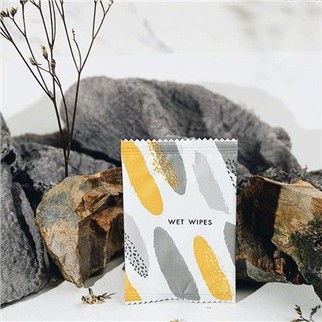
Of course. This is a very important question for parents and manufacturers alike. As Quanzhou Zhiyue Biotechnology Co., Ltd., a company dedicated to product safety, we prioritize providing clear, science-based information.
Here is a detailed breakdown of the safety of benzalkonium chloride (BAC) for babies.
Short Answer
Benzalkonium chloride is generally considered safe for babies when used as directed in specific, well-formulated products. However, it is NOT safe for all uses, and significant precautions are necessary. Its safety is highly dependent on the concentration and application.
Detailed Safety Analysis
✅ When and How BAC Can Be Safe for Babies
Benzalkonium chloride is a common disinfectant and preservative. Its safe use for babies falls into two main categories:
As a Preservative in Dilute Formulations:
Use Case: In very low concentrations (typically 0.1% or less), BAC is used as a preservative in some water-based baby wipes, saline solutions, eye drops, and nasal sprays to prevent bacterial and fungal growth.
Safety Profile: At these low, regulated concentrations, it is generally recognized as safe by health authorities for these specific applications because the risk of microbial contamination outweighs the minimal risk from the preservative.
As a Disinfectant for Surfaces (NOT Skin):
Use Case: In higher concentrations, BAC is an effective active ingredient in household surface disinfectant sprays and wipes.
Safety Profile: It is safe for use on baby toys, high chairs, changing tables, and other hard surfaces after the surface has been allowed to dry completely before the baby touches it. This minimizes the risk of skin contact or ingestion.
❌ Risks and Unsafe Uses for Babies
BAC is not safe for babies in the following contexts:
Direct, Undiluted, or High-Concentration Contact on Skin:
Skin Irritation: BAC is a known skin irritant and can cause contact dermatitis, especially on a baby's delicate, thin, and sensitive skin. This can manifest as redness, itching, dryness, or a rash.
Chemical Burns: In higher concentrations, it can cause severe skin irritation and even chemical burns.
Ingestion or Eye Contact:
Toxicity if Swallowed: BAC is toxic if ingested. Accidental ingestion of even small amounts of concentrated disinfectant can be very dangerous.
Severe Eye Irritation: It can cause significant eye irritation and damage.
Nebulized or Mist Inhalation:
Respiratory Issues: Using BAC-containing solutions in humidifiers or nebulizers is unsafe, as inhalation can irritate the lungs and has been linked to serious respiratory problems in infants.
Key Takeaways for Parents and Caregivers
For Cleaning Baby's Skin: Soap and water are the gold standard. For wipes, choose alcohol-free and fragrance-free baby wipes specifically formulated for sensitive skin. If a preservative is needed, BAC is one of several options, but it should be in a very low concentration.
For Disinfecting Surfaces: It is safe to use BAC-based disinfectants on baby items like toys and changing tables. The critical step is to follow the product's "dwell time" (how long the surface must stay wet) and then allow the surface to air dry completely before your baby comes into contact with it.
Always Read the Label: Check the ingredient list and usage directions on any product used around babies.
Store Safely: Keep all disinfectants and cleaning products locked away and out of reach of children.
Our Perspective as a Manufacturer
At Quanzhou Zhiyue Biotechnology Co., Ltd., we exercise extreme caution with all ingredients, especially for products intended for vulnerable populations like babies.
For Baby Wipes: We generally recommend and formulate with milder preservative systems or alcohol-free disinfecting agents for wipes designed for direct, frequent skin contact. If BAC is used, it is strictly at very low, preservative-level concentrations that comply with international safety standards.
For Surface Disinfecting Wipes: We clearly label our BAC-based disinfectant wipes "For Hard Surface Use Only" and provide explicit instructions for safe use around children and pets.
Conclusion: While benzalkonium chloride has its place as a disinfectant and preservative, it should not be a parent's first choice for direct, routine cleaning of a baby's skin. When used on surfaces, it must be used with care. When in doubt, consult with a pediatrician and always opt for the gentlest, most specific product for the task.