


Face Moisturizer Wipes: The Leave-On Lotion Load Problem
A face moisturizer wipe is not a cleansing wipe with a heavier lotion. It is a leave-on cosmetic product carried on a nonwoven substrate, and the engineering constraint is fundamentally different from a rinse-off or cleansing wipe. A cleansing wipe is designed to release lotion, lift soil, and be removed; a moisturizer wipe is designed to deposit a humectant-rich film that stays on the skin after the wipe is discarded. That changes the lotion load, the preservative system, the pH, and the substrate specification in ways that a standard wet-wipe line does not default to.
We produce leave-on face moisturizer wipes at 40–65 gsm spunlace nonwoven with a lotion load held at roughly 2.0–2.5× the dry substrate weight-lower than the 2.5–3.5× typical of cleansing wipes-so the wipe deposits a measurable film without leaving a wet, tacky residue. The lotion is built around glycerin, hyaluronic acid, and panthenol at pH 5.0–6.0, preserved to ISO 11930 challenge-test standards for leave-on use. This page addresses the formulation and preservation engineering specific to a leave-on face wipe; for the cleansing and makeup-removal format, the Face Makeup Wipes page covers the 45–60 gsm substrate and eye-area testing route, and for the broader skin-conditioning range, Personal Care Wipes covers the multi-use specification.
Why a Leave-On Wipe Is a Different Product from a Cleansing Wipe
Lotion Load: Lower, Not Higher
The instinct is that a moisturizer wipe should carry more lotion than a cleansing wipe. The opposite is closer to the engineering reality. Cleansing wipes commonly run 2.5–3.5× lotion-to-substrate weight because the lotion is meant to flow across the skin and be wiped away. A leave-on wipe at that load feels wet, takes time to absorb, and leaves a tacky film on the cheek. The working range for a leave-on face wipe is closer to 2.0–2.5× substrate weight-enough to deposit humectants, not so much that the user wants to rinse or blot after use. The exact figure is confirmed against the substrate and the intended skin feel, but the direction is down, not up.
Preservation: Leave-On Rules Are Stricter
Wet wipes are among the hardest personal-care formats to preserve because of their high water activity and repeated opening, and a leave-on face wipe compounds that difficulty: the lotion stays on the skin rather than being rinsed off, and the product is opened repeatedly over weeks. Methylisothiazolinone (MIT) has been prohibited in leave-on cosmetics in the EU since 2017, which removes one common wipe preservative from the available toolkit. The preservation system has to be selected against the full formulation and confirmed by an ISO 11930 challenge test, not assembled from individual ingredient approvals.
The "non-sticky" claim is a lotion-load and humectant-balance outcome, not an additive. A leave-on wipe can feel tacky because the lotion load is too high for the substrate, because the humectant concentration draws water to the surface without an emollient to seal it, or because the pH is outside the skin-compatible range. Fixing the skin feel after the formula is locked usually means changing the load or the humectant ratio, not adding a sensory modifier. Specify the target skin feel before the formula is developed.
Formulation Architecture for a Leave-On Face Wipe
Humectant System
Glycerin is the backbone humectant, pulling water into the stratum corneum. Hyaluronic acid at low molecular weight adds surface hydration without the tack of a high-dose glycerin formula. Panthenol supports barrier function and reduces the tightness that a humectant-only system can produce. The ratio matters more than the individual actives: too much glycerin without an emollient reads as sticky.
Emollient Balance
A leave-on wipe needs a light emollient to reduce tack and support the skin barrier, but a heavy oil or occlusive at wipe-load levels can feel greasy and interfere with the substrate's lotion release. Light esters or a low-level dimethicone are the usual route. The emollient choice should be confirmed against the substrate, because some oils partition into the nonwoven and reduce the lotion available to the skin.
Surfactant Level
A moisturizer wipe is not a cleansing wipe, and the surfactant level should be minimal to absent. A low-level mild surfactant can help the lotion spread, but a cleansing-grade surfactant load at leave-on exposure is a barrier-stripping risk. The formula should be built from the humectant and emollient system first, with surfactant included only if the substrate's release behaviour requires it.
The formulation architecture is the part most often skipped when a buyer adapts a cleansing-wipe lotion to a moisturizer pack. A cleansing lotion's surfactant and preservative system is designed for rinse-off or wipe-off exposure; carrying it into a leave-on format changes the skin-contact duration and the microbiological risk profile. For a fragrance-free and sensitive-skin positioning, the Natural Face Wipes For Sensitive Skin page covers the aloe-chamomile-glycerin specification within the same manufacturing base.
Preservation: ISO 11930 and the Leave-On Constraint
| Consideration | Leave-On Face Moisturizer Wipe | Cleansing / Makeup-Removal Wipe | Why It Matters |
|---|---|---|---|
| Skin contact duration | Extended; lotion remains on the skin after the wipe is discarded | Short; lotion and soil are wiped away | Longer exposure raises the sensitisation and irritation risk from any leave-on ingredient |
| Preservative scope | EU leave-on rules apply; MIT prohibited | Rinse-off rules can be broader, depending on the claim | A preservative acceptable in a rinse-off wipe may not be permitted in a leave-on product |
| Challenge test | ISO 11930 on the finished saturated wipe | Also ISO 11930, but the formulation load differs | The high water activity of a leave-on wipe makes microbiological failure a recall risk, not a quality nuisance |
| pH stability | 5.0–6.0, verified on stability as well as batch release | 5.0–6.0, but the buffer demand is lower | A leave-on lotion that drifts upward in storage is a skin-compatibility issue at the point of use |
| Pack format effect | Resealable pack opened over weeks; repeated contamination exposure | Similar, but the lotion is removed after use | The preservation system must hold across the in-use life, not only at manufacture |
The practical implication is that a leave-on face moisturizer wipe should be specified with a preservation dossier from the outset, not after the formula is approved. The ISO 11930 challenge test, the pH stability data, and the pack compatibility record are the three documents a retailer or a notified body will ask for. If the label carries "gentle" or "sensitive skin," the preservation system and the emollient choice should both be reviewed against that claim, because a mild surfactant system paired with an inadequate preservative is not a gentle product.
Technical Specifications
| Parameter | Specification |
|---|---|
| Product Type | Leave-on face moisturizer wipes / pre-moistened facial moisturizing wipes |
| Substrate | Spunlace nonwoven; 100% viscose or viscose/polyester blend; plant-based option |
| Fabric Weight | 40–65 gsm |
| Wipe Size | 150 × 200 mm standard; 180 × 200 mm and custom |
| Lotion Load | 2.0–2.5× dry substrate weight (leave-on range; lower than cleansing wipes) |
| Lotion pH | 5.0–6.0 |
| Humectant System | Glycerin, hyaluronic acid, panthenol |
| Emollient | Light ester or low-level dimethicone; selected for non-tack finish |
| Alcohol | Free |
| Fragrance | Fragrance-free or mild natural scent |
| Preservation | ISO 11930 challenge-tested; MIT-free; EU leave-on compliant |
| Skin Feel Target | Non-sticky, residue-free finish |
| Packaging | Soft pack with resealable sticker or flip-top lid; 25 / 50 / 80 ct; sachet option |
| Shelf Life | 24 months unopened, confirmed by stability testing per formula |
| Manufacturing Standards | ISO 9001 / GMP-aligned; ISO 22716 for cosmetic-route programmes |
| Regulatory Route | EU Cosmetics Regulation; US cosmetic route under MoCRA |
Lotion load, substrate GSM, and the emollient ratio are confirmed as one specification. A 45 gsm 100% viscose at 2.2× load and a 60 gsm viscose/polyester blend at 2.0× load can both be valid moisturizer wipes, but they deliver different skin feel and different pack weight, and the preservation challenge must be run on the finished combination rather than the lotion alone.
Where Leave-On Face Moisturizer Wipes Fit
Daily Hydration On-the-Go
For a quick moisture top-up after cleansing, during travel, or in a dry office environment. The leave-on format removes the need for a separate serum-and-cream routine at the point of use, provided the lotion load is controlled so the skin does not feel wet or tacky afterward.
Post-Cleansing Barrier Support
After a makeup-removal wipe or a morning cleanse, a moisturizer wipe can deliver humectants and a light emollient without a separate application step. This suits a simplified routine positioning, particularly for travel packs and gym bags. For the makeup-removal step itself, see Face Makeup Wipes.
Sensitive and Dry Skin Formats
A fragrance-free, alcohol-free lotion with glycerin and panthenol at pH 5.0–6.0 suits a dry or reactive skin positioning. The Natural Face Wipes For Sensitive Skin specification within our range uses an aloe-chamomile-glycerin system for a comparable skin type, with a lower 40–55 gsm substrate.
For a compostable substrate route with a moisturizing lotion, the substrate and lotion compatibility should be confirmed against the certification scope before the claim is placed on the pack. The Compostable Makeup Remover Wipes page covers the certification interaction for a remover formula; the same principle applies to a leave-on lotion, because the certification evaluates the finished saturated wipe.
OEM, Documentation, and Order Details
What We Customize
- Lotion load: 2.0–2.5× substrate weight, specified against the target skin feel
- Humectant system: glycerin, hyaluronic acid, panthenol ratio
- Emollient: light ester or dimethicone at a level that supports non-tack finish
- Substrate: 40–65 gsm spunlace; 100% viscose or viscose/PET; plant-based option
- Wipe size: 150 × 200 mm to 180 × 200 mm, or custom
- Packaging: soft pack, flip-top lid, or sachet with your artwork
Order Reference
- MOQ: from 10,000 packs per SKU for standard formats; confirm against pack type and customization
- Samples: specification-matched samples against your target lotion load and skin-feel brief
- Documentation: ISO 11930 challenge test on the finished wipe; lotion pH and stability records; EU leave-on preservative review
- Production time: first order typically several weeks after sample and artwork approval; repeat orders shorter
- Quality control: incoming substrate GSM, lotion load per batch, pH at release and on stability, seal integrity, and finished-pack count
If your label will carry "non-sticky," "long-lasting hydration," or "sensitive skin," include the exact wording and the destination market so the lotion load, the emollient ratio, and the preservation dossier are aligned before quotation. A leave-on moisturizer wipe and a cleansing wipe are separate specifications with different load and preservation requirements, not two labels on the same lotion.
Frequently Asked Questions
No. A leave-on face moisturizer wipe is designed so the lotion remains on the skin after the wipe is discarded, delivering humectants and a light emollient without a rinsing step. That is also why the lotion load is held lower than a cleansing wipe-typically 2.0–2.5× substrate weight rather than 2.5–3.5×-so the residue absorbs rather than sitting wet on the surface. If the product feels tacky after use, the lotion load or the humectant-to-emollient ratio needs adjustment, not a rinsing instruction.
It can serve as a hydration step for on-the-go use, travel, or a simplified routine, but it is not a like-for-like replacement for a leave-on cream with a higher emollient and occlusive load. The wipe delivers a measurable film of humectants and a light emollient; a cream delivers a more sustained barrier layer. The appropriate positioning is "hydration top-up" or "post-cleansing moisture step" rather than "replaces your moisturizer," and the label claim should match the lotion load the wipe actually carries.
A leave-on wipe keeps the lotion in contact with the skin for an extended period, and the pack is opened repeatedly over weeks. That combination of high water activity, repeated contamination exposure, and long skin contact makes microbiological failure a recall risk rather than a quality nuisance. The preservative system also has to comply with leave-on rules-MIT, for example, has been prohibited in leave-on cosmetics in the EU since 2017. The ISO 11930 challenge test on the finished saturated wipe is the relevant evidence, not an ingredient-level approval.
The working range for a leave-on face wipe is roughly 2.0–2.5× the dry substrate weight, lower than the 2.5–3.5× common in cleansing wipes. Within that range, the exact figure depends on the substrate and the emollient ratio: a 100% viscose at 2.2× may feel comfortable, while a 60 gsm blend at the same load may feel wetter because the substrate releases lotion more slowly. The non-sticky outcome is a combination of load, humectant concentration, and emollient level, and it should be confirmed on a physical sample rather than a data sheet.
Glycerin is the backbone, but at high concentrations in a leave-on format it can draw water to the surface and read as tacky if there is no emollient to balance it. Hyaluronic acid at low molecular weight adds surface hydration without the same tack, and panthenol supports barrier function. The ratio is the controlling variable: a glycerin-dominant system needs a light emollient to seal it, while a hyaluronic-acid-dominant system may feel lighter but less occlusive. We confirm the humectant ratio against the target skin feel and the substrate's release behaviour.
Often yes, with adjustments to the fold and the lotion load rather than the formula itself. A 45–55 gsm viscose substrate at a 2.0–2.2× load can be carried in a 25–50 count soft pack for home use and an individually sealed sachet for travel, provided the moisture distribution and the seal are confirmed for each pack. The sachet removes the repeated-opening contamination question entirely, which can simplify the preservation argument for a travel SKU. The soft pack still requires a resealable sticker or lid that holds moisture across weeks of use.
Send Your Lotion Load Target, Skin-Feel Brief and Pack Format for a Matched Quote
Tell us the skin type you are formulating for (normal, dry, or sensitive), the target skin feel (non-sticky, light film, or richer), the lotion load you have in mind, the substrate and pack format, and your destination market. We will reply with a workable leave-on specification, sample arrangement, and the preservation documentation set for your retail or brand review.
Get a Face Moisturizer Wipe Sample & Quote
If your label will carry "non-sticky," "long-lasting hydration," or "sensitive skin," include the exact wording so the lotion load and the ISO 11930 dossier are aligned before sampling.
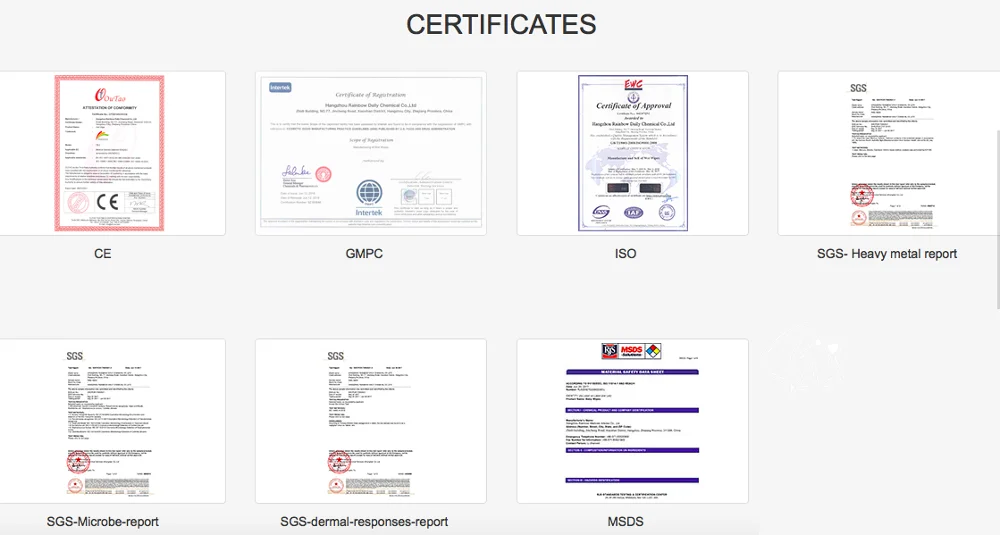
Certificates
Company Profile

Hot Tags: face moisturizer wipes, China face moisturizer wipes manufacturers, suppliers, factory, Best Facial Cleanser Wipes, Wet Tissue Makeup Remover, Facial Cleanser Wipes for Sensitive Skin, Soft Wet Cleaning Wipes for Face, Moisturizer Wipes


