


Compostable Makeup Remover Wipes: Where Remover Chemistry Meets Compostability
A compostable makeup remover wipe has to do two jobs that pull against each other. The remover formula must dissolve wax, pigment, and film-formers-including waterproof mascara-while the substrate and the lotion together must meet a recognised compostability standard covering the finished saturated wipe. A substrate that disperses too readily can fail the wet-strength demand of a makeup-removal pass; a formula with a high oil load can interfere with the biodegradation criteria the certification relies on. The specification that works is the one where the remover chemistry, the substrate blend, and the certification route are chosen as one system.
We produce compostable makeup remover wipes at 40–65 gsm using 100% plant-based viscose or lyocell nonwoven, with micellar water, bi-phase oil, or water-based surfactant formulas at pH 5.0–6.0. The substrate carries TÜV OK Compost INDUSTRIAL (EN 13432) certification, with selected blends certified to OK Compost HOME. Decomposition time is typically 35–90 days in home compost and 6–8 weeks in industrial composting, depending on the blend and the certification scope. For the certification-route decision itself-industrial versus home, and how the certificate scope applies to the finished wipe-the Compostable Face Wipes page covers that framework; this page focuses on what changes when the wipe must remove makeup, not only cleanse the face.
Why the Remover Formula Changes the Compostability Specification
The Oil Load and the Biodegradation Criterion
A bi-phase oil remover delivers a higher oil load to the substrate than a micellar water formula. Oil is part of what dissolves waterproof mascara, but the certification for a compostable wipe evaluates the finished product, including the lotion, against disintegration, biodegradation, and ecotoxicity criteria. A heavy oil phase can slow the disintegration phase or alter the ecotoxicity result. This does not make an oil-based compostable remover impossible, but it narrows the viable substrate and lotion combinations, and it is why we confirm the certification scope against the exact formula rather than assuming a certificate for the dry fibre carries over.
Micellar Water's Compatibility Advantage
Micellar water is the most common formula direction for a compostable makeup remover wipe because the surfactant micelle system is water-based and compatible with a broad range of plant-fibre substrates. Market products using this route combine a naturally derived micellar formula with a 100% plant-based cloth and carry a home-compost claim, with some brands citing breakdown within 35 days in home compost. The lower oil load reduces the interaction risk with the biodegradation criteria, which makes the certification path more straightforward-though the wet-strength and lotion-release behaviour on the specific substrate still has to be verified.
The practical test for this category is the eye-area pass on the finished wipe, with the certification in hand. A micellar compostable wipe can pass EN 13432 and still underperform on waterproof mascara; a bi-phase oil wipe can remove the mascara and fail the home-compost disintegration criterion. We recommend evaluating the remover performance on the intended makeup type and confirming the certification scope on the same formula, rather than approving one attribute from a lab report and the other from a substrate data sheet.
Remover Formula Options on a Compostable Substrate
| Formula Direction | Makeup Type | Substrate Compatibility | Compost Certification Consideration | Typical pH |
|---|---|---|---|---|
| Micellar water | Daily foundation, powder, sunscreen, light eye makeup | Broad; 100% viscose or lyocell at 40–55 gsm releases steadily | Lowest interaction risk; water-based system aligns with EN 13432 / OK Compost criteria | 5.0–6.0 |
| Bi-phase oil | Waterproof mascara, long-wear foundation, heavy eye makeup | Requires a substrate that holds the emulsion; a slightly higher gsm (55–65 gsm) or a denser lyocell blend | Higher oil load can affect disintegration and ecotoxicity; certification must cover the finished formula | 5.0–6.0 |
| Water-based surfactant | Normal-to-oily skin, daily foundation and powder | Broad; compatible with viscose and cotton-blend substrates at 45–60 gsm | Moderate interaction risk; surfactant level should be reviewed against the ecotoxicity criterion | 5.0–6.0 |
Micellar water is the default starting point for a compostable remover wipe, because the formula and the certification criteria are easier to align and the market has established products on this route. A bi-phase oil formula is the correct direction when the label claim includes waterproof mascara removal, but it should be specified with a substrate and lotion combination that has been reviewed against the certification scope. A water-based surfactant formula sits between the two and suits a daily-use positioning where the makeup load is light to moderate. For the general remover chemistry discussion outside the compostability constraint, the Makeup Remover Wet Tissue page covers the formula-to-substrate matching in more detail.
Substrate Selection: Viscose, Lyocell and Wet-Strength at Remover Dimensions
The substrate determines whether the wipe survives the makeup-removal pass and whether the compostability claim holds. Viscose is the mainstream choice; lyocell offers a smoother hand feel and a different dispersion behaviour; a cotton or plant-fibre blend supports a textile-like positioning at a higher gsm. The GSM and the fibre blend should be selected together with the remover formula, because a bi-phase oil lotion on a 40 gsm substrate can release too quickly and run, while a micellar lotion on a 65 gsm dense substrate can feel drier on the first pass.
| Substrate | Typical GSM | Wet-Strength Behaviour | Compost Route | Best For |
|---|---|---|---|---|
| 100% viscose | 40–55 gsm | Medium; steady lotion release; soft on the eye area | EN 13432 / OK Compost INDUSTRIAL; selected grades OK Compost HOME | Micellar daily remover, sensitive-skin positioning, pharmacy retail |
| Lyocell | 40–60 gsm | Higher initial wet strength; smooth, low-lint surface; disperses rapidly under agitation | EN 13432; OK Compost on selected grades | Premium remover wipes, eye-makeup formats, brands needing a closed-loop fibre story |
| Cotton / plant-fibre blend | 50–65 gsm | Textile hand feel; slightly slower release; higher gsm for comparable strength | EN 13432 / OK Compost INDUSTRIAL (blend scope must be confirmed) | Natural-positioned brands, bi-phase oil formats needing a denser carrier |
A 40–50 gsm 100% viscose substrate is the workhorse for a daily micellar remover, because it balances softness, lotion release, and compostability. A 55–65 gsm lyocell or cotton blend is the appropriate route where the formula carries a higher oil load or the positioning is premium. The wet strength should be verified on the finished saturated wipe, not only the dry substrate, because the lotion pickup and the makeup-removal friction both change the behaviour.
Technical Specifications
| Parameter | Specification |
|---|---|
| Product Type | Compostable makeup remover wipes / pre-moistened facial remover wipes |
| Substrate | 100% plant-based viscose, lyocell, or cotton/plant-fibre blend |
| Fabric Weight | 40–65 gsm (customizable) |
| Wipe Size | 150 × 200 mm standard; 160 × 200 mm and custom dimensions |
| Formula Type | Micellar water / bi-phase oil / water-based surfactant |
| Lotion pH | 5.0–6.0 (eye-area appropriate) |
| Alcohol | Free |
| Fragrance | Unscented or mild fragrance |
| Compostability Certification | TÜV OK Compost INDUSTRIAL / EN 13432; OK Compost HOME on selected blends |
| Decomposition Time | 35–90 days home compost; 6–8 weeks industrial (blend-dependent) |
| Wet Strength | Verified on the finished saturated wipe against the remover pass |
| Packaging Film | Compostable NatureFlex-type film option; standard recyclable film also available |
| Pack Formats | Soft pack (25 / 50 / 80 ct); individually sealed sachet; refill pack |
| Testing Available | Ophthalmologist-tested; dermatologist-tested; remover efficacy on waterproof mascara |
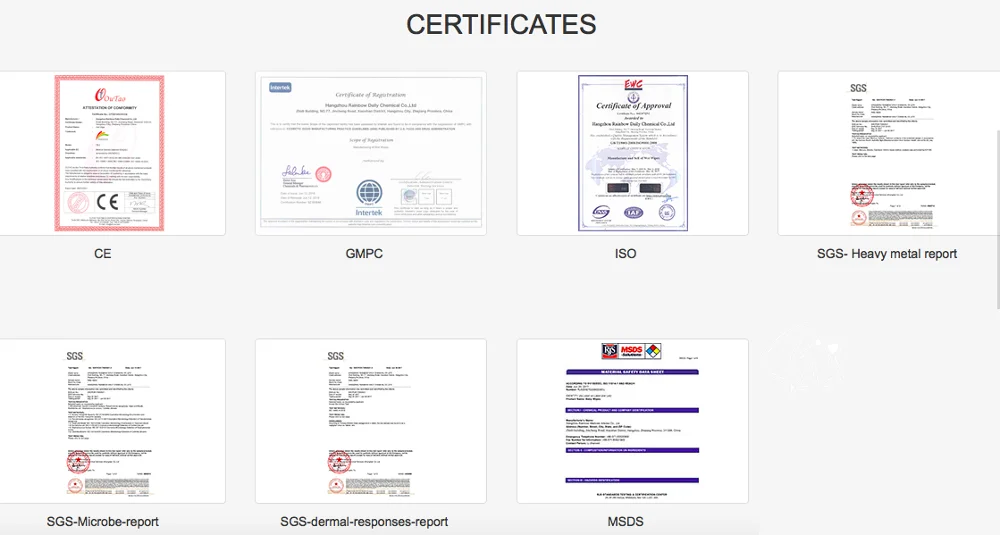
| Manufacturing Standards | ISO 9001 / GMP-aligned; ISO 22716 for cosmetic-route programmes |
Wipe size, GSM, formula type, and certification route are confirmed together. A 150 × 200 mm micellar wipe at 45 gsm with OK Compost INDUSTRIAL certification and a 160 × 200 mm bi-phase oil wipe at 60 gsm with OK Compost HOME serve different makeup types and different market requirements, even when the pack format is identical. The certification scope should cover the finished saturated wipe; a certificate for the raw fibre alone does not establish the on-pack compostability claim.
Where Compostable Makeup Remover Wipes Fit
Clean-Beauty and Natural Retail
For pharmacy, natural grocery, and clean-beauty channels where both the remover performance and the end-of-life claim are purchase drivers. A micellar formula on 100% viscose with OK Compost INDUSTRIAL certification is the mainstream specification; a home-compost certification supports a stronger consumer message where the disposal infrastructure allows it.
Waterproof and Long-Wear Makeup
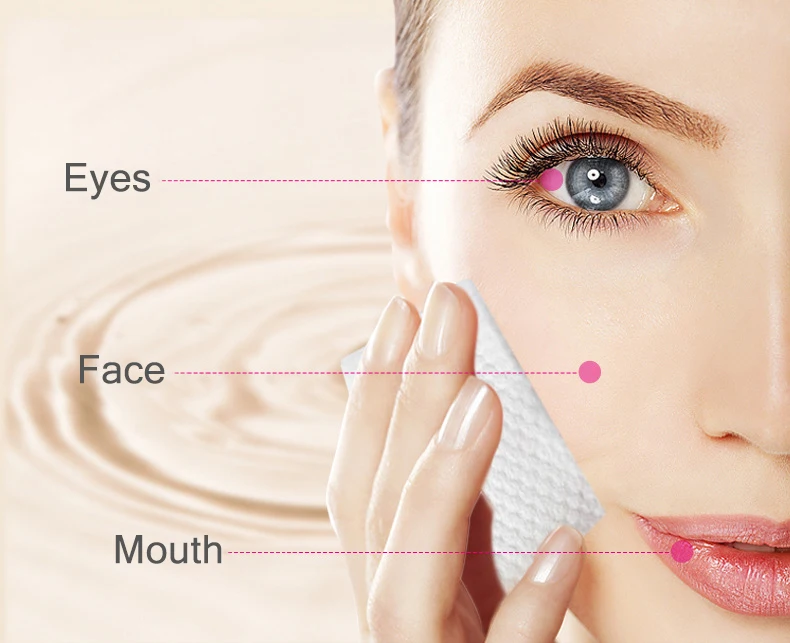
For mascara, eyeliner, and transfer-resistant foundation, a bi-phase oil formula is the appropriate remover chemistry. The substrate should hold the emulsion without separating, and the certification scope must be confirmed against the exact oil load. An ophthalmologist-tested option is available for eye-area claims.
Travel and On-the-Go
Individually sealed sachets and 25-count packs for handbags, gym bags, and carry-on luggage. A compostable sachet film-such as a NatureFlex-type structure certified to OK Compost HOME-can match the substrate claim, so the wipe and the pack tell a consistent end-of-life story rather than a mixed one.
For a compostable face wipe without the remover-specific formula requirement, the Compostable Face Wipes page covers the certification-route selection and substrate choice in more depth. For the non-compostable remover wipe specification, see Makeup Remover Wet Tissue. For a broader compostable multi-purpose range, the Compostable Wipes page collects the adjacent formats.
Regulatory and Packaging Considerations for 2026–2027
The UK plastic wet-wipe restriction is the most immediate market-access driver for this category. The UK government signed the ban into law in November 2025; in England it takes effect in May 2027, with Scotland applying a ban from August 2027, and plastic-free wipes remain outside the restriction. For a compostable makeup remover wipe sold into the UK, a 100% plant-based substrate is becoming the baseline specification rather than a brand differentiator. A blended substrate with a synthetic fraction marketed as compostable is a market-access risk for the UK regardless of the certification route.
The pack film is part of the same claim. A compostable substrate in a conventional PET/PE laminate pouch tells a mixed end-of-life story to the consumer and to a retailer reviewing the pack. Compostable film structures are available-NatureFlex-type films made from renewable wood pulp are certified to EN 13432, ASTM D6400, and OK Compost HOME, and they provide a moisture and aroma barrier suitable for wet-wipe sachets. Matching the film to the substrate claim is a specification decision, not an artwork detail, and it should be confirmed alongside the wipe's certification before the pack design is approved.
The EU Green Claims Directive tightens the substantiation requirement from September 2026. A "compostable" or "home compostable" claim on a makeup remover wipe must name the standard and the disposal environment, and the certificate must cover the finished product. A certificate for the raw nonwoven, without the lotion and the converting process, is not sufficient for an on-pack logo. We confirm the certificate scope against the exact formula and film before artwork approval.
OEM, MOQ, and Order Details
What We Customize
- Formula: micellar water, bi-phase oil, or water-based surfactant at pH 5.0–6.0
- Substrate: 100% viscose, lyocell, or cotton/plant-fibre blend at 40–65 gsm
- Certification route: OK Compost INDUSTRIAL or OK Compost HOME, specified against the destination market
- Wipe size: 150 × 200 mm to 160 × 200 mm, or custom
- Packaging: soft pack, sachet, or refill; compostable film option to match the substrate
- Testing: ophthalmologist-tested and dermatologist-tested options; remover efficacy on waterproof mascara
Order Reference
- MOQ: from 10,000 packs per SKU for standard formats; higher for custom print or home-compost certification
- Samples: specification-matched samples against your target formula, substrate, and certification route
- Production time: first order typically several weeks after sample and artwork approval; repeat orders shorter
- Documentation: compostability certificate covering the finished wipe, lotion pH and stability records, and remover efficacy report where the label carries a performance claim
- Quality control: incoming substrate GSM and fibre blend, lotion pH per batch, wet strength on the saturated wipe, seal integrity, and finished-pack count
If your label will carry "compostable," "home compostable," "removes waterproof mascara," or "ophthalmologist-tested," include the exact wording and the destination market so the certification scope, the formula, and the test package are aligned before quotation. A micellar compostable wipe and a bi-phase oil compostable wipe are separate specifications, not two label versions of the same product.
Frequently Asked Questions
It can, but the formula direction determines how much remover performance is available. A micellar water formula on a compostable substrate is effective for daily makeup, sunscreen, and light eye makeup; waterproof mascara typically requires a bi-phase oil formula or a second wipe. A bi-phase oil system can be built on a compostable substrate, but the higher oil load narrows the viable substrate and lotion combinations because the certification evaluates the finished product against disintegration and ecotoxicity criteria. If your label will claim waterproof mascara removal on a compostable wipe, the formula and the certification should be validated together rather than assumed from either component alone.
Not automatically, and this is more critical for a remover wipe than for a plain cleansing wipe because the lotion carries a higher functional load. A certificate issued for the dry nonwoven confirms the substrate's behaviour in isolation. The finished wipe includes the remover formula, preservatives, and any oil phase, and these can change the disintegration and biodegradation profile. For an on-pack compostability logo, the certification should cover the finished saturated product under the stated conditions. We confirm the certificate scope against the exact formula before artwork approval, so the logo and the test report refer to the same object.
A 40–50 gsm 100% viscose substrate is the mainstream choice for a micellar compostable remover wipe, because it balances softness on the eye area, steady lotion release, and a certification path that is well established. Lyocell at 40–60 gsm is an alternative where a smoother, lower-lint surface and a higher initial wet strength are preferred, and it carries a closed-loop fibre story that suits premium positioning. A cotton/plant-fibre blend at 50–65 gsm supports a textile-like hand feel but may require a higher gsm for comparable wet strength. The substrate should be selected with the formula and the certification route, not independently.
The wet-strength requirement for a facial remover wipe is lower than for a body or surface wipe, because the wipe is used on a small, delicate area. However, the makeup-removal pass involves more friction than a plain cleansing pass, particularly around the eyes and lashes. A 40–50 gsm viscose substrate is usually sufficient for a micellar formula, provided the wet strength is verified on the finished saturated wipe rather than the dry substrate. A 55–65 gsm substrate is more appropriate where the formula carries a higher oil load or the wipe is positioned for heavy or waterproof makeup. The relevant test is how the saturated wipe behaves in the intended remover pass, not a single headline number.
The UK ban targets wet wipes containing plastic, not compostable wipes per se. The UK government signed the ban into law in November 2025; in England it takes effect in May 2027, with Scotland applying a ban from August 2027. Plastic-free wipes remain outside the restriction. A compostable makeup remover wipe made from a 100% plant-based substrate without a synthetic fraction is the specification that aligns with the ban. A blended substrate that carries a compostability claim but contains a synthetic fraction is a market-access risk for the UK, regardless of the certification. For buyers serving the UK, the fibre composition and the substrate certificate should be confirmed before the pack artwork is approved.
Yes. Compostable film structures are available for wet-wipe sachets, including NatureFlex-type films made from renewable wood pulp that are certified to EN 13432, ASTM D6400, and OK Compost HOME. These films provide a moisture and aroma barrier suitable for a pre-moistened wipe and run on standard sachet lines. Matching a compostable film to a compostable substrate gives the pack a consistent end-of-life story, which matters for a retailer review and for a consumer reading the disposal instruction. A compostable substrate in a conventional PET/PE laminate pouch sends a mixed message and should be avoided where the pack carries a compostability logo.
Send Your Formula Direction, Certification Route and Pack Format for a Matched Quote
Tell us the makeup type the wipe will remove (daily, waterproof, or long-wear), the formula direction (micellar, bi-phase oil, or water-based), the substrate preference, the certification route (industrial or home compostable), the pack format, and your destination market. We will reply with a workable specification that matches the remover performance and the certification scope, sample availability, and the documentation set for your retail or brand review.
Get a Compostable Makeup Remover Wipe Sample & Quote
If your label will carry "removes waterproof mascara," "home compostable," or "ophthalmologist-tested," include the exact wording so the formula and certification scope are aligned before sampling.
Certificates
Company Profile

Hot Tags: compostable makeup remover wipes, China compostable makeup remover wipes manufacturers, suppliers, factory, Moisturizer Wipes, Soft Wet Cleaning Wipes for Face, Best Facial Cleanser Wipes, Facial Cleanser Wipes for Sensitive Skin, Wet Tissue Makeup Remover

