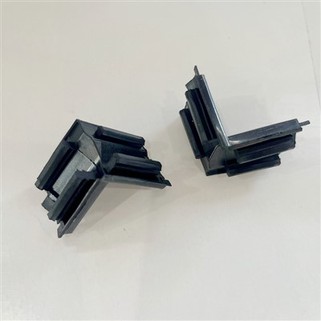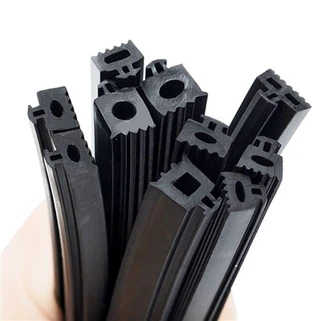


silicone rubber door seal Product features:
1. Environmentally friendly, non-toxic, odorless, good resilience, good flexibility, no bubbles, and no pores on the surface. High strength, long service life, product insulation, and environmental protection, high and low-temperature resistance, compression resistance, acid and alkali resistance, anti-aging, and anti-ultraviolet.
2. Smooth surface and uniform foaming density
3. Good surface is not sticky. good breathability
4. Using 100% high-quality silica gel raw materials, and after strict testing, in line with environmental standards.
5. High-temperature resistance: -60 degrees -260 degrees
6. Heat resistance: Silicone rubber has much better heat resistance than ordinary rubber, and can be used almost forever at 150 degrees without performance changes; it can be used continuously for 10,000 hours at 200 degrees; at 350 degrees Can also be used for some time.
7. Weather resistance: ordinary rubber is rapidly degraded under the action of ozone generated by corona discharge, while silicone rubber is not affected by ozone. And for a long time under ultraviolet and other climatic conditions, its physical properties only change slightly.
8. Anti-aging and corrosion resistance, silica gel itself has strong inertness
silicone rubber door seal Product Specification:
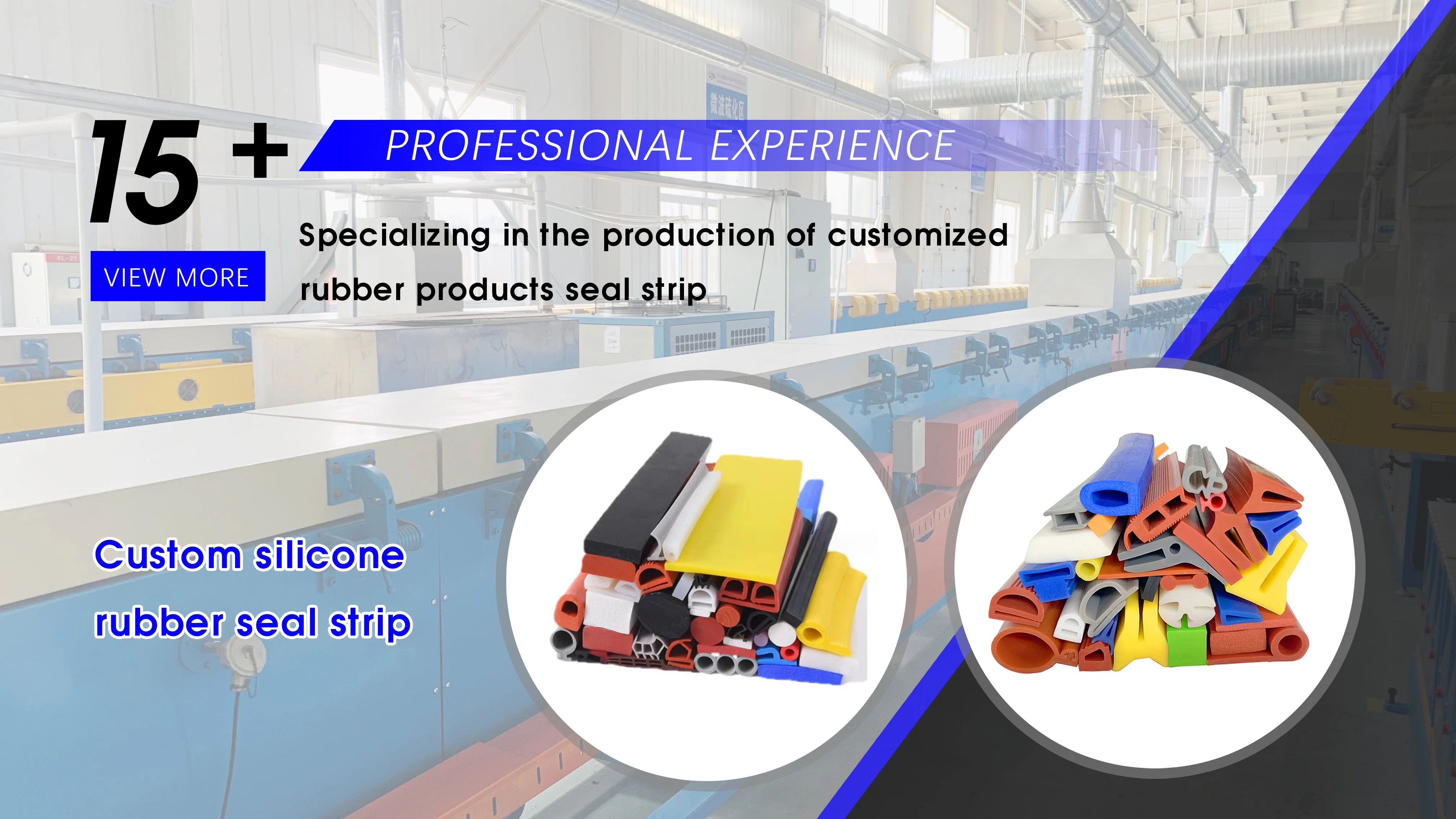
Silicone seals are available in a variety of colors and can be processed and produced according to customer requirements specifications, colors, and packaging.
| Name | silicone seal strip |
|---|---|
| Material | silicone rubber, Natural rubber, EPDM, NBR, FKM, PU, etc |
| size | 2mm-50mm |
| Shape | Round, square, triangle, rectangle, U shaope, P shape, etc |
| Color | transparent, black, white, any panton color is available. |
| Temperature range | -40℃~230℃; 300℃ |
| Hardness | 50 shore A~80 shore A |
| Feature | high temperature resistant; tear resistant, wear resistant; oil resistant; etc |
| Sample | available |
FAQs for Silicone Rubber Door & Window Seal
1. Q: What are the key benefits of using a silicone seal over other materials like EPDM for doors and windows?
A: Silicone rubber seals offer a unique set of advantages that make them ideal for demanding applications. Key benefits include:
Extreme Temperature Resistance: Silicone performs flawlessly in a vast range from -60°C to +225°C (-76°F to +437°F), preventing cracking in freezing winters and remaining stable in intense summer heat or on oven doors.
Superior Hygiene & Safety: It is inherently non-toxic, odorless, and resistant to mold and mildew. Being FDA-compliant, it's the safest choice for homes, food processing areas, and medical facilities.
Long-Lasting Flexibility & Weatherproofing: Silicone maintains its elasticity and creates a permanent watertight, airtight, and dust-proof seal against rain, wind, and drafts, outperforming materials like vinyl that can become brittle.
Excellent UV and Ozone Resistance: It will not degrade or discolor from prolonged sun exposure, ensuring long-term performance on sun-facing doors and windows.
2. Q: How do I install a self-adhesive silicone door and window seal?
A: Installing a self-adhesive silicone seal is a straightforward DIY task. For a permanent, professional bond, follow these steps:
Surface Preparation is Critical: Thoroughly clean the door or window frame with isopropyl alcohol. The surface must be completely clean, dry, and free of all dust, grease, and old adhesive.
Measure and Cut: Measure the length needed for each side. Use sharp scissors to cut the seal, ideally at a 45-degree angle for perfect corners.
Peel and Apply: Peel back a small section of the protective liner. Align the seal carefully on the frame and press it firmly into place.
Secure the Bond: Continue peeling the liner while applying firm, continuous pressure along the entire strip with your hand or a roller. This ensures the high-strength acrylic adhesive makes full contact.
Cure for Strength: Allow 24 hours for the adhesive to reach its full strength before exposing it to extreme force or weather.
3. Q: Is silicone rubber sealant the same as a silicone rubber seal strip?
A: No, these are two different products for sealing, and they are not interchangeable.
Silicone Rubber Seal Strip: This is a pre-formed, solid profile (like a D-shape or a P-shape) with or without adhesive backing. It is a mechanical gasket that you cut to length and press into place to create an instant seal. It's reusable and easy to replace.
Silicone Rubber Sealant (Caulk): This is a viscous paste that comes in a tube and cures after application. It is used to fill static, irregular gaps and is permanent.
For sealing the moving parts of doors and windows, a silicone seal strip is the correct, flexible, and durable solution.
4. Q: Why is silicone a better choice for sealing oven doors and high-temperature applications?
A: Silicone is the undisputed best choice for high-heat environments due to its exceptional thermal stability. While standard EPDM seals may degrade at temperatures above 130°C (266°F), silicone seals remain perfectly flexible and effective at continuous temperatures up to 225°C (437°F). This prevents heat loss, ensures energy efficiency, and maintains a safe kitchen environment by containing heat within the appliance.
5. Q: Can I get a custom-colored or custom-shaped silicone seal for a unique project?
A: Yes, one of the significant advantages of silicone is its high degree of customizability for both residential and OEM projects. We offer:
Custom Extrusion Profiles: We can manufacture virtually any shape or size to fit unique tracks, grooves, or aesthetic requirements.
Custom Colors: While translucent, white, and black are standard, silicone can be pigmented into a wide range of colors to match your door, window, or appliance seamlessly.
Custom Formulations: We can provide seals with specific properties, such as platinum-cure silicone for maximum purity or enhanced flame retardancy for commercial builds.
Hot Tags: silicone rubber door & window seal, China silicone rubber door & window seal manufacturers, suppliers, factory