The European Union continues tightening environmental and packaging regulations for wet wipes in 2026, creating major compliance challenges - and opportunities - for OEM manufacturers, private label brands, and importers targeting the EU market.
For companies exporting wet wipes to Europe, understanding the latest regulatory landscape is no longer optional. Non-compliant products may face customs delays, marketplace removal, penalties, or rejection by distributors.
This article explains the most important EU wet wipes regulations in 2026 and what OEM importers must do to remain compliant and competitive.
Why the EU Is Regulating Wet Wipes More Strictly
Wet wipes are increasingly targeted under the EU's environmental legislation because many products contain plastic fibers and contribute to marine litter and microplastic pollution.
The EU's European Commission Single-Use Plastics (SUP) Directive specifically identifies wet wipes as one of the major contributors to coastal pollution.
As a result, importers and manufacturers must now comply with stricter requirements involving:
Plastic content disclosure
Product labeling
Packaging sustainability
Extended Producer Responsibility (EPR)
Material recyclability
Chemical and biodegradability standards
1. SUP Labeling Requirements Remain Mandatory in 2026
Under the EU SUP Directive, wet wipes containing plastic fibers must display mandatory environmental markings on packaging.
These labels must clearly inform consumers that:
The product contains plastic
The wipes should not be flushed
Improper disposal harms the environment
Products affected include:
Personal care wet wipes
Baby wipes
Disinfecting wipes
Household cleaning wipes
OEM importers selling into Europe must ensure that packaging artwork fully complies with EU labeling specifications before shipment.
Failure to use the correct pictogram size, placement, language, or format can lead to customs and retail compliance problems.
2. Biodegradable and Plastic-Free Materials Are Becoming the Industry Standard
European buyers increasingly demand:
Plastic-free wipes
Flushable substrates
Biodegradable nonwoven materials
Compostable packaging options
Although not all plastic-containing wipes are banned, retailers and distributors are moving rapidly toward sustainable alternatives due to consumer pressure and future regulatory risks.
Many EU supermarkets and private label brands now prefer:
Viscose wipes
Cotton wipes
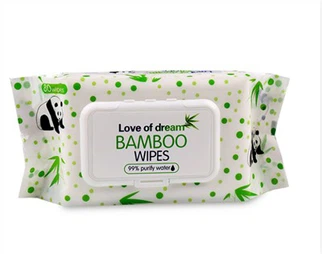
Bamboo fiber wipes
Wood pulp spunlace materials
OEM factories that still rely heavily on polyester or polypropylene-based substrates may lose competitiveness in the European market.
3. New Packaging Waste Regulation (PPWR) Will Impact Wet Wipes Imports
The EU Packaging and Packaging Waste Regulation (PPWR) officially entered into force in 2025 and will broadly apply from August 2026.
This regulation affects all packaging placed on the EU market, including wet wipes packaging.
Key areas impacting OEM importers include:
Recyclability Requirements
Packaging must increasingly be designed for recycling and circular economy compliance.
Reduced Excess Packaging
Overpackaging and unnecessary material usage will face stricter scrutiny.
Sustainability Documentation
Importers may need additional technical documentation proving packaging compliance.
Recycled Content Targets
Plastic packaging may require minimum recycled material percentages in future phases.
For wet wipes exporters, this means packaging design can no longer focus only on appearance and cost. Sustainability performance is becoming equally important.
4. Extended Producer Responsibility (EPR) Costs Are Increasing
EU countries continue expanding EPR schemes for single-use products, including wet wipes.
Under EPR systems, brands and importers may be financially responsible for:
Waste collection
Recycling programs
Public cleaning costs
Environmental awareness campaigns
As a result, European importers are becoming more selective about suppliers and increasingly request:
Material declarations
Plastic content confirmation
Recyclability data
Compliance certificates
Sustainability reports
OEM manufacturers that provide complete compliance documentation gain a significant advantage.
5. Chemical Compliance Is Becoming More Important
Besides packaging and plastic rules, wet wipes imported into Europe must also comply with EU chemical regulations such as:
REACH
CLP
Biocidal Products Regulation (for disinfectant wipes)
Improper antimicrobial claims or unsupported "safe" marketing language may trigger regulatory issues. Recent EU legal interpretations continue tightening rules around biocidal product advertising and environmental claims.
OEM suppliers should ensure:
Ingredient transparency
Accurate SDS/MSDS documentation
Proper preservative usage
Valid efficacy testing
Legally compliant marketing claims
6. What EU Buyers Expect from OEM Wet Wipes Manufacturers in 2026
European buyers increasingly prioritize suppliers that can offer:
Sustainable Materials
Plastic-free or biodegradable substrate options
Regulatory Support
Complete compliance documentation for EU import procedures
Flexible Packaging
Recyclable and eco-friendly packaging solutions
Private Label Experience
Ability to customize labels according to EU rules
Certified Manufacturing
Factories certified under systems such as ISO 9001 and ISO 13485
OEM manufacturers that combine compliance expertise with stable production capacity are more likely to secure long-term partnerships with European importers and retail chains.
How OEM Importers Can Prepare for EU Compliance
To reduce compliance risks in 2026, wet wipes importers should:
Review all wet wipes formulations and materials
Verify SUP labeling compliance
Evaluate packaging recyclability
Request updated technical documentation from suppliers
Prepare for EPR obligations in target EU countries
Work with manufacturers experienced in EU private label projects
Companies that adapt early will have stronger positioning as European regulations continue evolving toward sustainability and circular economy goals.
Final Thoughts
The EU wet wipes market is shifting rapidly toward environmentally responsible products and stricter regulatory compliance.
For OEM importers, 2026 is no longer just about price competitiveness. Success increasingly depends on:
Sustainable materials
Regulatory readiness
Packaging compliance
Documentation transparency
Long-term environmental strategy
Manufacturers and importers that proactively adapt to the new EU regulatory environment will be better positioned to win retailer trust, avoid compliance risks, and grow in the European hygiene products market.