


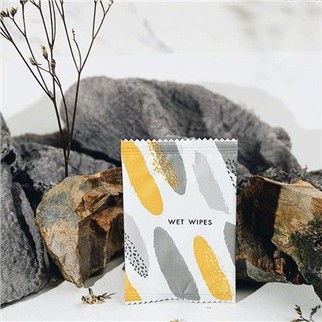
Wet wipes, also known as moist towelettes or wet towels, have become a popular household item for quick and easy cleaning. They are used to clean hands, faces, and surfaces such as kitchen counters and bathroom fixtures. But have you ever wondered what wet wipes are made of?
The main material used in wet wipes is a nonwoven fabric, which is a fabric-like material made from long fibers that are bonded together by heat, chemicals, or pressure. Nonwoven fabrics are highly absorbent, making them ideal for cleaning purposes. They are also strong, durable, and resistant to tearing, making them suitable for use as wipes.
There are several types of nonwoven fabrics used in wet wipes, including spunlace, airlaid, and meltblown. Spunlace is made by entangling fibers with high-pressure water jets, resulting in a soft and smooth texture. Airlaid is made by layering pulp fibers in a random pattern and bonding them together with heat and pressure. Meltblown is made by extruding melted polymer fibers onto a conveyor belt, resulting in a fine and dense web.
In addition to the nonwoven fabric, wet wipes contain a solution that is used to moisten the wipes. The solution typically contains water, a cleaning agent, and a variety of other ingredients depending on the intended use of the wipes. For example, baby wipes may contain soothing ingredients such as aloe vera or chamomile, while disinfectant wipes may contain alcohol or other antimicrobial agents.
Wet wipes also contain preservatives to prevent the growth of bacteria and other microorganisms. However, some preservatives have been linked to skin irritation and allergic reactions, so it is important to choose wipes that are free of harmful chemicals.
Overall, wet wipes are made of a combination of nonwoven fabric, a solution, and preservatives. While they are convenient and effective for cleaning purposes, it is important to choose wipes that are safe for both you and the environment. Look for wipes that are biodegradable and free of harmful chemicals, and dispose of them properly to prevent clogging in our sewers and waterways.
Jul 19, 2023
What material are wet wipes made of?
You Might Also Like


Send Message