Wet wipes and flushable wipes are two common types of personal hygiene products that people use to clean themselves, especially in the bathroom. While they both serve a similar purpose, there are significant differences between wet wipes and flushable wipes that users should be aware of. In this article, we'll explore the differences between these two types of wipes.
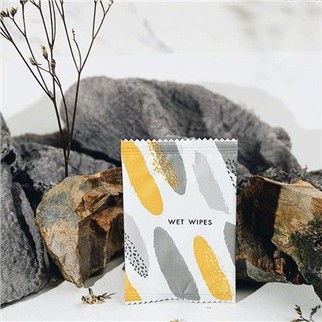
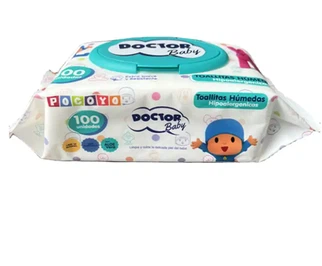
The first and most obvious difference between wet wipes and flushable wipes is the way they are designed to be used. Wet wipes are typically made from a non-flushable, non-dissolvable material, such as polyester or cotton. They are typically pre-moistened with a cleaning solution to provide a quick and easy way to clean up after using the bathroom, changing a diaper, or wiping off dirty hands or face. Wet wipes come in a variety of sizes and types, including baby wipes, facial wipes, and adult wipes.
On the other hand, flushable wipes are specifically designed to be flushed down the toilet after use. These wipes are often made from a blend of natural and synthetic fibers that are designed to break down and dissolve in water after being flushed. They are also typically pre-moistened with a cleaning solution, and come in a variety of sizes and types.
While both types of wipes serve a similar purpose, they are not interchangeable. Using wet wipes as a substitute for flushable wipes can have serious consequences for your plumbing and the environment. Wet wipes, unlike flushable wipes, do not break down easily in water. As a result, they can clog your pipes and sewer lines, causing costly and damaging backups that can be difficult to fix. Wet wipes can also cause problems for municipal wastewater treatment systems by clogging pumps and filters, leading to costly repairs and maintenance.
Another key difference between wet wipes and flushable wipes is their impact on the environment. Flushable wipes are marketed as being environmentally friendly and safe to flush, but this is not always the case. Despite being designed to break down in water, flushable wipes can still take months or even years to decompose fully. This means they can contribute to clogs and other problems in the sewer system, as well as pollution and damage to marine life in rivers and oceans.
Wet wipes, on the other hand, are not designed to be flushed and should always be disposed of in the trash. This can be inconvenient, but it is necessary to avoid damaging your plumbing and the environment. Fortunately, many companies now offer biodegradable and compostable wet wipes that can be safely disposed of in the trash, reducing their impact on the environment.
In conclusion, wet wipes and flushable wipes may seem similar, but they have significant differences in terms of their design, use, and impact on the environment. While wet wipes are convenient and easy to use, they should never be flushed down the toilet and should be disposed of properly in the trash. Flushable wipes, while marketed as environmentally friendly, can still cause problems in the sewer system and should be used with caution. By choosing the right type of wipes and disposing of them properly, you can help protect your plumbing and the environment.