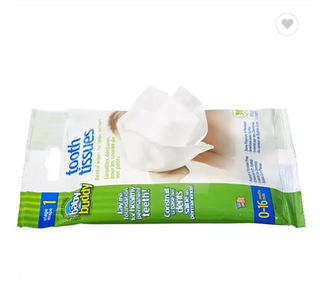
Wet wipes and cleansing wipes may seem very similar, but there are actually several key differences between them that users should be aware of.
Firstly, wet wipes are designed to be used as a quick, convenient way to clean the skin when soap and water are not available. They are typically made from a soft, disposable material that is moistened with a solution of water, alcohol, and various other chemicals. Wet wipes are often used for personal hygiene purposes, such as cleaning up after using the bathroom, wiping away sweat, or freshening up during long travels.
On the other hand, cleansing wipes are specifically formulated to offer a deeper level of cleaning and a range of skin care benefits. They are often used as part of a daily beauty routine to cleanse, tone, or exfoliate the skin. Cleansing wipes may contain a variety of ingredients, such as salicylic acid, glycolic acid, moisturizers, and natural extracts, that aim to help treat various skin concerns, such as acne, dryness, and dullness.
Another key difference between wet wipes and cleansing wipes is the way that they are disposed of. Wet wipes are designed to be thrown away after just one use, as they can quickly become contaminated with bacteria and other germs. Cleansing wipes, however, can generally be used multiple times before being disposed of. This is because they are typically packaged with an airtight seal that helps preserve the quality of the product between uses.
Finally, it is important to note that there is a significant difference in the environmental impact of wet wipes and cleansing wipes. Wet wipes are notorious for causing blockages in pipes and sewers, leading to serious and costly environmental damage. They are also a significant source of plastic waste, as they are often packaged in non-biodegradable materials. Cleansing wipes, on the other hand, can be more sustainable, as many brands now offer biodegradable, bamboo, or cotton-based products that can be composted or recycled.
In summary, while wet wipes and cleansing wipes may appear similar at first glance, there are several key differences that distinguish these products from each other. By understanding these differences, users can make more informed choices about which type of wipes to use, and how to dispose of them responsibly.