What is Spunlace Nonwoven?
Spunlace nonwoven (also known as hydroentangled nonwoven or hydraulically needled nonwoven) is a type of fabric made by entangling a web of loose fibers using high-pressure, fine jets of water. This mechanical bonding process creates a soft, strong, and cloth-like fabric without the use of chemical binders or heat.
Think of it like using powerful water "needles" to weave the fibers together into a coherent and durable sheet.
The Spunlace Manufacturing Process: Step-by-Step
The process is highly efficient and versatile, allowing for the use of many different types of fibers.
Fiber Preparation: The process begins with selected fibers. These can be:
Synthetic: Polyester, Polypropylene, Nylon.
Natural: Cotton, Viscose (Rayon), Bamboo, Pulp.
Blends: A mix of the above (e.g., polyester/cotton) to achieve specific properties.
Web Formation: The loose fibers are laid down to form a uniform, flat web. This is often done using an "air-laid" or "wet-laid" process.
Hydroentanglement (The Key Step): The fiber web is then passed over a series of moving conveyors or drums. Above these conveyors are rows of injectors with extremely fine nozzles.
High-pressure water jets (up to 2000 bar) are forced through these nozzles, striking the web.
The water jets puncture the web and cause the fibers to wrap, knot, and twist around each other.
This entanglement happens in a specific pattern, creating the fabric's integrity and strength.
Water Removal & Drying: The excess water is vacuumed away, and the newly formed fabric is dried on steam-heated cylinders, resulting in the final spunlace nonwoven material.
Key Characteristics and Advantages
Spunlace nonwovens are prized for their unique set of properties, which make them ideal for many sensitive and high-performance applications.
| Characteristic | Advantage & Why It Matters |
|---|---|
| Extremely Soft & Textile-Like | Feels like traditional cloth, making it comfortable against the skin. Crucial for baby wipes, facial masks, and personal hygiene products. |
| Highly Absorbent | The entangled structure creates capillary action, allowing it to quickly absorb and hold liquids. Essential for wipes and medical swabs. |
| Strong When Wet | Unlike some papers or other nonwovens, spunlace retains a significant portion of its strength when saturated. Prevents tearing during use. |
| Low Linting | The fibers are locked in place, minimizing the release of loose fibers or dust. Critical for electronic cleaning wipes and precision cleaning. |
| Breathable | The open, porous structure allows air and moisture vapor to pass through easily. |
| No Chemical Binders | The bonding is purely mechanical. This makes it hypoallergenic, skin-friendly, and ideal for medical and cosmetic applications. |
| Eco-Friendly Potential | When made from natural or biodegradable fibers (like cotton, viscose, or bamboo), the fabric itself can be compostable or biodegradable. |
Common Applications of Spunlace Nonwoven
You interact with spunlace nonwovens more often than you might think. Its primary application is in the wipes industry, but it extends far beyond.
Hygiene & Cleaning Wipes:
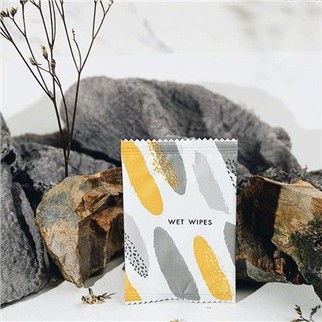
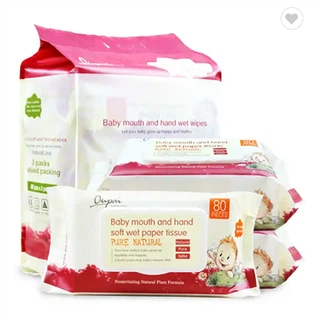
Baby Wipes: The #1 application. Its softness, strength, and absorbency are perfect for this.
Personal Care Wipes: Facial cleansing wipes, makeup removers, and adult hygiene wipes.
Household & Disinfectant Wipes: For cleaning surfaces.
Electronics & Optical Wipes: Due to their low-linting properties.
Medical & Healthcare:
Surgical gowns, drapes, and caps.
Wound dressing pads and swabs.
Antiseptic wipes and medical sponges.
Coastal & Apparel:
Wipes for the PPE (Personal Protective Equipment) industry.
Interlining for clothing.
Synthetic leather base fabric.
Other Advanced Applications:
Coating substrates for various industries.
Agri-tech coverings and seed sheets.
In Summary
Spunlace nonwoven is a versatile, soft, and strong fabric created by tangling fibers with high-pressure water jets. Its cloth-like feel and excellent performance characteristics have made it the material of choice for a vast range of products, especially the wet wipes you use every day. Its ability to be engineered from various fiber types also makes it adaptable for both disposable and durable applications.