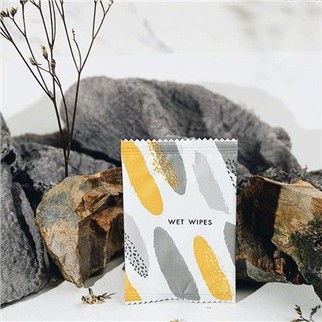
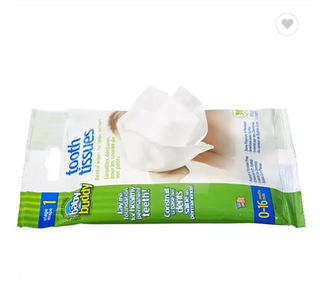
Understanding the materials used in wet wipes is essential for brands, distributors, and private label entrepreneurs. The quality of a wet wipe depends on both the fabric and the liquid formulation. Choosing the right materials impacts performance, durability, safety, and customer satisfaction.
This guide explains the primary components of wet wipes, including fabrics, liquids, and optional additives, with OEM considerations for private label products.
Nonwoven Fabrics: The Core of Wet Wipes
The fabric determines softness, absorbency, strength, and flushability. Common types include:
1. Spunlace Nonwoven Fabric
Soft, strong, highly absorbent
Resistant to tearing
Suitable for baby, cosmetic, and disinfectant wipes
2. Airlaid Nonwoven Fabric
Lightweight and soft
Low liquid absorption
Often used for facial cleansing wipes
3. Hydroentangled Nonwoven
Fabric is entangled with water jets for strength
Durable for heavy-duty cleaning wipes
4. Biodegradable Fabrics
Bamboo fiber, viscose, or recycled cellulose
Breaks down in water or compost
Essential for flushable or eco-friendly wipes
OEM Tip: Most factories allow custom fabric selection, thickness adjustment, and testing for tensile strength and wet integrity.
Liquid Formulation
The liquid adds cleaning, moisturizing, or disinfecting properties. Typical components:
Water (70–95%) – main carrier
Surfactants – gentle cleansing agents
Moisturizers – aloe vera, vitamin E, chamomile
Preservatives – prevent bacterial growth
Optional alcohol – 60–80% for disinfecting wipes
Fragrance or essential oils – optional, hypoallergenic
OEM Tip: Factories can create custom formulations based on skin type, market requirements, or regulatory standards.
Additives and Optional Features
pH Adjusters – maintain skin-friendly acidity
Color Indicators – useful for cosmetic or promotional wipes
Antibacterial Agents – benzalkonium chloride, chlorhexidine
Packaging Material Considerations
Packaging materials affect shelf-life and usability:
Flow packs: polypropylene, resealable plastic
Canisters: PP, PET with airtight lids
Sachets: foil or laminated film
Biodegradable packaging: compostable films for eco-friendly products
OEM Private Label Considerations
When sourcing OEM wet wipes:
Fabric: select the right type and thickness
Formula: request hypoallergenic or market-specific formulas
Packaging: logo printing, colors, and instructions
Compliance: ISO, GMP, FDA, EU standards
Quality Control Standards
Professional factories perform:
Liquid content measurement
Fabric strength testing
Microbiological testing
Packaging seal integrity
FAQ
Q1: Can I mix fabrics for better performance?
Yes, some OEMs offer layered fabrics for softness and strength.
Q2: Are wet wipes safe for sensitive skin?
Yes, with hypoallergenic formulas and pH-balanced liquids.
Q3: How do I choose between biodegradable and standard fabrics?
Depends on target market preferences and flushable compliance requirements.
Call to Action
Need custom wet wipes materials and private label solutions?
Contact Nice Wet Wipe today to request samples, material options, and OEM consultation.