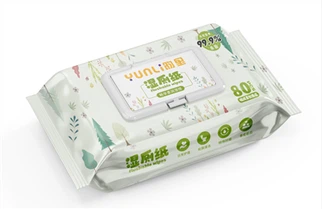
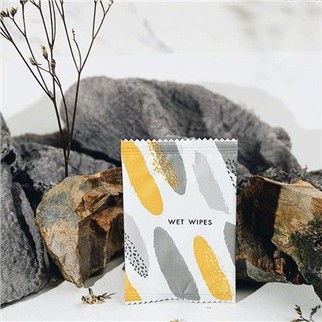
Plastic-free wipes are made from a variety of materials that are sustainable and environmentally friendly. These wipes are designed to clean and sanitize without causing harm to the planet and its inhabitants. In this article, we will explore the different materials used in the production of plastic-free wipes.
1. Bamboo
Bamboo has become a very popular alternative to single-use plastics in recent years. It is a fast-growing, renewable resource that is easy to cultivate and harvest. Bamboo wipes are soft, durable, and eco-friendly, making them a fantastic option for anyone looking for an eco-friendly wipe.
2. Cotton
Organic cotton is another popular material used in the production of plastic-free wipes. Cotton is biodegradable and environmentally friendly, making it a great option for those looking for sustainable cleaning products. Cotton wipes are gentle on the skin and can be used to clean a variety of surfaces.
3. Wood Pulp
Wood pulp is another material used in the production of plastic-free wipes. These wipes are made from sustainably sourced wood fibers and do not contain any harmful chemicals. Wood pulp wipes are soft, strong, and biodegradable, making them a great option for anyone looking for a greener alternative to traditional wet wipes.
4. Cellulose
Cellulose is a natural material that is biodegradable and can be composted. It is used in the production of many plastic-free wipes because it is soft, strong, and does not contain any harmful chemicals. Cellulose wipes are typically made from sustainably sourced wood fibers and are completely environmentally friendly.
5. Coconut
Coconut wipes are a newer addition to the plastic-free wipe market. They are made from the husks of coconuts that are typically discarded after the coconut is harvested. These wipes are 100% natural, biodegradable, and gentle on the skin. Additionally, they contain natural antimicrobial properties which makes them ideal for cleaning and sanitizing.
In conclusion, plastic-free wipes are made from a variety of sustainable and eco-friendly materials. Bamboo, cotton, wood pulp, cellulose, and coconut are all popular options for those looking for a greener alternative to traditional wet wipes. These materials are biodegradable, compostable, and do not contain any harmful chemicals, making them a great option for anyone looking to reduce their impact on the environment.