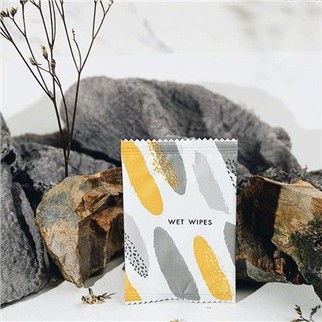
The demand for antimicrobial products, especially in personal care items like wet wipes, has surged in recent times. This update delves into the innovations and considerations surrounding the production and use of antimicrobial wet wipes, exploring their efficacy, safety, and the evolving landscape of consumer preferences.
I. Antimicrobial Formulations:
1. Advanced Ingredients: Manufacturers are incorporating advanced antimicrobial agents such as silver nanoparticles, tea tree oil, and quaternary ammonium compounds for enhanced effectiveness.
2. Broad-Spectrum Protection: Antimicrobial wet wipes are designed to offer broad-spectrum protection against various pathogens, providing reassurance to consumers concerned about hygiene.
II. Efficacy Testing and Standards:
1. Rigorous Testing Protocols: To ensure efficacy, manufacturers are subjecting antimicrobial wet wipes to rigorous testing protocols, often following industry standards.
2. Compliance with Regulatory Guidelines: Adhering to regulatory guidelines is paramount, and manufacturers are keen on meeting the requirements set by health authorities to guarantee product safety and efficacy.
III. Duration of Antimicrobial Action:
1. Prolonged Effectiveness: Innovations focus on formulations that provide prolonged antimicrobial action, extending the period of protection after using the wet wipes.
2. Consumer Education: Communicating the duration of antimicrobial effectiveness to consumers is becoming crucial for building trust and ensuring proper usage.
IV. Safety Considerations:
1. Skin Compatibility: Manufacturers prioritize formulations that are gentle on the skin, addressing concerns about potential irritation or adverse reactions.
2. Dermatologist-Tested Claims: Many antimicrobial wet wipes carry dermatologist-tested claims to assure consumers of their safety for regular use.
V. Environmental Impact:
1. Biodegradability and Eco-Friendly Packaging: Amid the rise of antimicrobial wet wipes, there's a parallel emphasis on making these products environmentally friendly, with biodegradable materials and eco-conscious packaging.
2. Consumer Education on Disposal: Manufacturers are taking steps to educate consumers on proper disposal methods to minimize the environmental impact of antimicrobial wet wipes.
VI. Customization for Different Applications:
1. Healthcare vs. Personal Use: Antimicrobial wet wipes are increasingly being customized for specific applications, such as healthcare settings requiring higher efficacy standards.
2. Specialty Formulations: Some manufacturers are developing specialty formulations tailored to address unique needs, like sensitive skin or specific microbial threats.
VII. Emerging Technologies:
1. Nanotechnology Integration: Antimicrobial wet wipes are exploring the integration of nanotechnology for improved delivery and sustained action of antimicrobial agents.
2. Smart Packaging: Innovations in smart packaging with indicators of antimicrobial efficacy or remaining product lifespan are being explored.
VIII. Consumer Feedback and Preferences:
1. Responsive Formulations: Manufacturers are increasingly responsive to consumer feedback, adjusting formulations based on preferences for scent, texture, and overall user experience.
2. Transparency in Ingredient Disclosure: Transparent ingredient disclosure is gaining prominence, as consumers seek clarity on the components used in antimicrobial formulations.
Antimicrobial wet wipes represent a dynamic sector within the broader wet wipes industry, blending innovation with considerations for safety, efficacy, and environmental impact. As this market continues to evolve, manufacturers are navigating a landscape where technology, consumer preferences, and regulatory standards intersect.