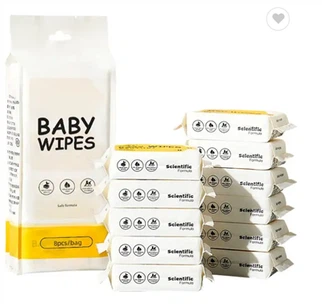
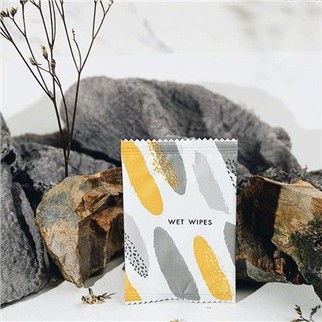
Wet wipes packaging has become a focal point in the industry, with manufacturers embracing innovations that align with both consumer preferences and environmental consciousness. This update explores the latest trends and sustainable practices shaping the evolution of wet wipes packaging.
I. Sustainable Packaging Materials:
1. Biodegradable Films: A significant trend involves the adoption of biodegradable films for wet wipes packaging, addressing concerns about plastic pollution.
2. Recyclable Packaging: Manufacturers are increasingly shifting towards recyclable packaging materials to reduce the environmental impact and promote circularity.
II. Minimalistic and Compact Designs:
1. Single-Use Packaging: There is a rise in demand for single-use or individually wrapped wet wipes, contributing to convenience and hygiene on the go.
2. Compact and Lightweight Formats: Compact, lightweight packaging designs not only enhance portability but also reduce material usage and transportation-related carbon footprint.
III. Resealable and Easy-Dispense Features:
1. Resealable Closures: Wet wipes packaging with resealable closures ensures product freshness and prolongs usability, reducing waste.
2. Easy-Dispense Lids: Innovations in easy-dispense lids enhance user experience, preventing drying out and facilitating one-handed use.
IV. Smart Packaging Technologies:
1. QR Code Integration: Some manufacturers are incorporating QR codes on packaging for consumers to access additional product information or promotions.
2. Temperature-Sensitive Labels: Smart labels that indicate temperature exposure help consumers assess the safety and effectiveness of the wet wipes.
V. Customization for Different Applications:
1. Specialty Packaging for Medical Use: Wet wipes designed for medical or healthcare applications often feature specialized packaging to maintain sterility.
2. Child-Friendly Packaging: Child-resistant or child-friendly packaging is gaining traction, addressing safety concerns in households with young children.
VI. Transparency and Ingredient Information:
1. Clear Ingredient Labeling: Transparency in ingredient disclosure is becoming a priority, with clear labeling to inform consumers about the components used.
2. Eco-Friendly Ink and Printing: Manufacturers are exploring eco-friendly ink options and sustainable printing practices for packaging materials.
VII. Consumer Education Initiatives:
1. Recycling Guidelines: Brands are taking proactive steps to educate consumers on proper recycling practices for wet wipes packaging.
2. Sustainability Messaging: Packaging often includes messaging to communicate the brand's commitment to sustainability, resonating with environmentally conscious consumers.
VIII. Integration of Antimicrobial Features:
1. Antimicrobial Coatings: In response to hygiene concerns, some wet wipes packaging incorporates antimicrobial coatings to maintain product integrity.
2. Extended Shelf Life Innovations: Packaging innovations that extend the shelf life of wet wipes contribute to reducing product wastage.
Wet wipes packaging is undergoing a transformation driven by sustainability goals, technological advancements, and a keen understanding of consumer preferences. As the industry continues to evolve, the interplay of convenience, innovation, and environmental responsibility is shaping the next generation of wet wipes packaging.