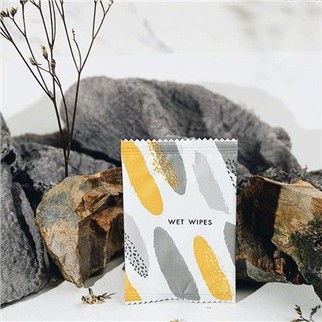
Flushable wipes have become increasingly popular for personal hygiene and cleaning purposes, but have also been a subject of controversy regarding their impact on sewage systems and the environment. So, how are flushable wipes made?
The manufacturing process of flushable wipes begins with the creation of a non-woven fabric, typically made of natural fibers such as cotton or wood pulp mixed with synthetic fibers like polyester or polypropylene. This fabric is made by utilizing a process called carding that involves combing and entwining the fibers together to create a fluffy and soft texture. The fabric is then impregnated with a cleansing solution, often containing moisturizers and fragrances.
To make the wipes flushable, manufacturers must include a special material that enables them to break down in sewer systems. This material is typically made of viscose and is added during the carding process. The viscose fibers will readily disintegrate when exposed to water and will gradually break down into smaller and smaller particles, enabling the wipes to be flushed safely.
After the wipes are finished, they undergo a range of tests to ensure that they are compatible with sewage and pumping systems. These tests include in-house testing as well as independent third-party testing, to make sure the wipes disperse and do not cause any issues in the wastewater system.
Flushable wipes are used for a variety of purposes including cleaning up spills, wiping down household surfaces, and personal hygiene use. They are marketed as a more convenient and hygienic option than using regular toilet paper or paper towels, but their impact on the environment has been a concern in recent years. Flushable wipes can take much longer to break down than regular toilet papers and can even cause blockages in the sewage system and contribute to plastic pollution in rivers and oceans.
In conclusion, flushable wipes are made through a specialized manufacturing process involving creating a non-woven fabric and impregnating it with a cleansing solution before adding a material that enables the wipes to break down in sewage systems. However, the debate over the environmental impact of flushable wipes continues, and it is important to make sure that they are being used and disposed of properly.