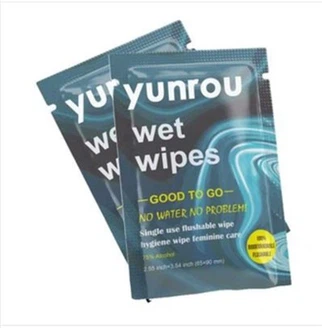
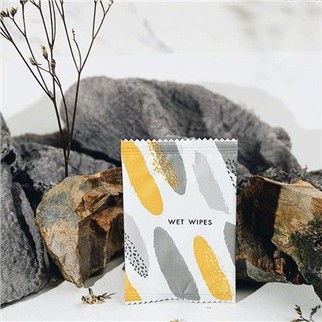
Disinfectant wipes and alcohol wipes are both widely used for hygiene, cleaning, and sanitization purposes. While they appear similar, their formulations, intended uses, and regulatory requirements differ significantly. For brands and distributors sourcing via OEM, understanding these differences is crucial for choosing the right product, avoiding compliance issues, and targeting the correct market.
This guide will explain the differences between disinfectant wipes and alcohol wipes, covering formulation, usage, packaging, and OEM considerations.
What Are Alcohol Wipes?
Alcohol wipes are wet wipes soaked in solutions containing ethanol or isopropyl alcohol. Common features:
Alcohol concentration: 60–80%
Quick evaporation
Strong antimicrobial activity
Usually single-use for personal hygiene
Typical uses:
Hand sanitization
Surface cleaning for small areas
Medical or hospital settings (non-surgical)
OEM Considerations:
Alcohol is volatile; packaging must prevent evaporation
Flow packs, sachets, or canisters are commonly used
Custom alcohol concentrations can be requested
What Are Disinfectant Wipes?
Disinfectant wipes use chemical formulations other than alcohol to kill bacteria, viruses, and fungi. Active ingredients may include:
Benzalkonium chloride (BAC)
Chlorhexidine
Quaternary ammonium compounds
Characteristics:
Longer contact time required for effectiveness
Can include moisturizing agents to prevent skin irritation
Often sold in canisters for high-volume use
OEM Considerations:
Formulations must comply with local biocide regulations
Packaging must support long-term chemical stability
Key Differences Between Alcohol and Disinfectant Wipes
| Feature | Alcohol Wipes | Disinfectant Wipes |
|---|---|---|
| Main Active | Ethanol / Isopropanol | BAC, Chlorhexidine, Quats |
| Evaporation | Fast | Slow |
| Contact Time | Short | Longer (usually 1–5 min) |
| Skin Safety | May dry skin | Usually formulated with moisturizers |
| Packaging | Single-use, flow pack, canister | Canister, flow pack |
| Regulatory | FDA / EU alcohol regulations | Biocide / disinfectant regulations |
Choosing the Right OEM Product
Factors to consider:
Target market: medical, consumer, or commercial
Formulation: alcohol for quick sanitization, disinfectant for heavy-duty use
Packaging & branding: flow pack vs canister
Compliance documentation: MSDS, FDA registration, CE, biocide approval
OEM Manufacturing Process for Both Types
Requirement Confirmation: Quantity, formula, target market
Sample Production: Test efficacy, liquid saturation, package seal
Approval: Client signs off on sample
Mass Production: Automated filling and cutting
Quality Control: Alcohol content, biocide concentration, seal integrity
Packing & Shipping: Canister or flow pack, palletization, export documentation
Cost and MOQ Comparison
Alcohol wipes: lower cost per unit, smaller MOQ for standard formulas
Disinfectant wipes: higher cost due to chemical stability, often higher MOQ
FAQ
Q1: Can I OEM both alcohol and disinfectant wipes from the same factory?
Yes, professional OEM factories offer multiple formulas.
Q2: Are disinfectant wipes safe for skin?
Yes, if formulated with moisturizers and approved concentrations.
Q3: How to select packaging for alcohol wipes?
Use airtight flow packs or canisters to prevent evaporation.
Call to Action
Looking for an OEM manufacturer that can produce both alcohol and disinfectant wipes?
Contact Nice Wet Wipe today to discuss your product customization, MOQ, and sample requests.