


Wet wipes have become an indispensable product in our daily lives. They are widely used for personal hygiene, cleaning surfaces, and even for babies. However, with the growing concern about plastic waste and its impact on the environment, it is necessary to explore the possibility of making wet wipes without plastic.
Wet wipes typically contain plastic fibers that are used to give them strength and durability. These fibers are not biodegradable and can take hundreds of years to break down. Additionally, plastic pollution is a significant problem that affects marine life and human health. Therefore, finding alternatives to plastic-based wet wipes is crucial.
One solution is to use natural fibers such as cotton, bamboo or eucalyptus. These materials are eco-friendly, biodegradable and sustainable. Manufacturers can use natural fibers to produce wet wipes that are soft, gentle on the skin, and effective for cleaning.
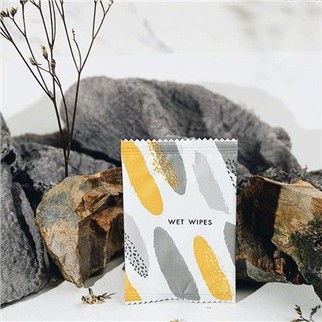
Another solution is to use plant-based or biodegradable materials to create the wet wipe packaging. Conventional wet wipes are usually packaged in plastic or non-biodegradable materials that contribute to pollution. By using materials such as paper, biodegradable plastic, or compostable materials, manufacturers can create wet wipes that are not only environmentally friendly but also convenient for consumers.
In conclusion, wet wipes have become an essential part of modern life. However, the environmental impact of plastic-based wet wipes cannot be ignored. It is essential to explore alternatives that are biodegradable and sustainable. Manufacturers can use natural fibers to create the wipe material or switch to more eco-friendly packaging materials. Consumers can also make a difference by switching to eco-friendly wet wipes that reduce their plastic consumption and environmental footprint. Together, we can protect our planet and make a positive impact on the world.
Dec 04, 2023
Can wet wipes be made without plastic?
You Might Also Like



Send Message