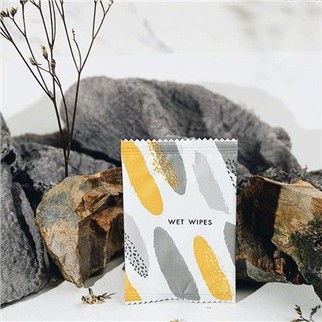
Flushable wipes have gained popularity among consumers as a convenient alternative to traditional toilet paper. However, there is growing concern about the impact of these wipes on the environment, specifically in wastewater treatment facilities and natural waterways. This article will discuss the potential dangers of flushable wipes on the environment and why they may not be as safe as advertised.
Firstly, flushable wipes often do not break down in the same way as toilet paper. While toilet paper is designed to dissolve quickly in water, flushable wipes are made with materials that are more resistant to decomposition. This means that even if a flushable wipe can technically pass through a toilet drain, it can get caught in the pipes or accumulated in the septic system, causing blockages or backups. In fact, according to a study by the Water Research Foundation, flushable wipes were responsible for up to 90% of sewer system clogs in some cities in the United States.
Moreover, flushable wipes are not always treated as they should be in wastewater treatment facilities. These facilities are not designed to filter out non-biodegradable materials such as wipes, leaving them to fragment and accumulate in the water. Over time, these fragments can form clumps and mats that can block pipes and damage equipment. They also pose a risk to aquatic life, as animals can ingest them and suffer health complications or develop intestinal obstructions.
Another issue with flushable wipes is that they are often labeled as “flushable,” leading consumers to believe that they can be safely disposed of in any toilet. However, the term “flushable” is subject to interpretation and does not necessarily mean that a product can be safely disposed of down the toilet. In fact, many wastewater treatment facilities consider flushable wipes to be non-flushable, and some cities and states have even banned them altogether.
So, what can consumers do to protect the environment while still enjoying the convenience of wet wipes? One solution is to switch to non-flushable wipes and dispose of them in the garbage, rather than the toilet. Another option is to use toilet paper and then finish cleaning with a damp cloth, which can be washed and reused. Some companies also offer biodegradable or compostable wipes made from natural materials that break down more easily and safely.
In conclusion, flushable wipes may not be as safe for the environment as originally thought. Their resistance to decomposition and disregard for proper disposal can lead to blockages in pipes, damage to wastewater treatment facilities and aquatic life, and pollute natural waterways. Consumers should consider alternatives to flushable wipes and be mindful of their impact on the environment.