


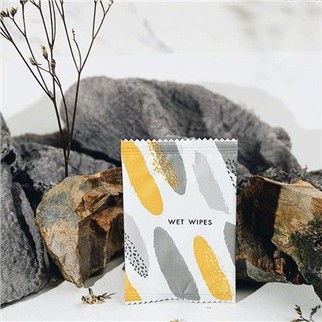
Flushable wipes, also known as wet wipes, are a popular alternative for cleaning intimate areas and are designed to be disposed of by flushing them down the toilet. While they may seem like a convenient and hygienic option compared to traditional toilet paper, there is a lot of debate about their safety and effectiveness.
One of the main concerns about flushable wipes is that they are not as biodegradable as they claim to be. Many flushable wipes contain plastic fibers, causing them to become tangled in sewer pipes. This can cause blockages that are not only costly to fix, but can also impact the environment. In fact, a study in 2018 by Water UK discovered that wipes make up 93% of the material causing sewer blockages, with 75% of those wipes labeled as flushable.
Another issue to consider is their potential to cause irritation or infection. Because flushable wipes contain fragrances, preservatives, and other chemicals, it’s possible that they could cause skin reactions or infections if not properly disposed of. Additionally, using flushable wipes too often can disrupt your natural bacterial balance and lead to urinary tract infections or yeast infections.
However, when used correctly and disposed of properly in the trash (not flushed down the toilet), flushable wipes can be a hygienic solution for individuals with certain medical conditions or those who prefer extra cleanliness and comfort. For example, people with hemorrhoids or anal fissures may benefit from using flushable wipes instead of rough toilet paper.
Overall, whether or not flushable wipes are “hygienic” depends on how they are used and disposed of. While they may be convenient, they are not a necessary component of personal hygiene. It is important to educate oneself on their potential risks and make an informed decision about whether or not to use them. Alternatively, if you prefer a more eco-friendly option, you can try using a bidet or a reusable cloth. Ultimately, the goal is to prioritize both personal hygiene and environmental sustainability.
Jul 15, 2023
Are flushable wipes hygienic?
Previous
You Might Also Like




Send Message