


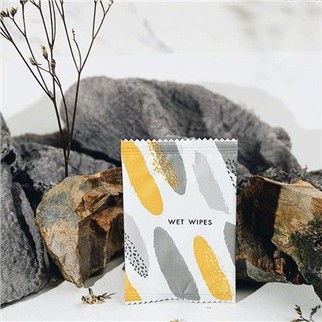
Biodegradable wipes have been touted as a more eco-friendly alternative to traditional wipes, which can take years to degrade in landfill or cause environmental damage if flushed down the toilet. But are these "eco" wipes really as green as they claim to be?
First, it's important to define what we mean by biodegradable. A material is considered biodegradable if it can break down naturally without leaving any toxic residue or harming the environment. This means that biodegradable wipes should be made from natural materials like wood pulp or cotton, and should be free from harmful chemicals that can pollute the soil or water.
However, not all wipes labeled as "biodegradable" meet these criteria. Some brands use vague or misleading terminology that can confuse consumers into thinking they are buying a more environmentally-friendly product than they actually are. For example, the term "compostable" may suggest that the wipes will break down quickly in a compost heap, but this is only true if the conditions are right and the wipes are made from fully biodegradable materials.
Another issue is that biodegradable wipes may still end up in landfill or the ocean, where they can take years to break down and release methane, a potent greenhouse gas that contributes to climate change. Even if the wipes do break down in landfill, they can still cause problems by clogging up pipes or contaminating water sources.
Some experts argue that reusable cloth wipes are a better alternative to disposable wipes of any kind, as they can be washed and reused many times, reducing waste and saving money in the long run. However, cloth wipes may not be practical for everyone, especially when traveling or on the go.
So, what can consumers do to make sure they are using the most environmentally-friendly wipe option? Look for wipes that are certified by independent organizations like the Forest Stewardship Council or the Soil Association, which verify that the materials used to make the wipes are sustainably sourced and free from harmful chemicals. Look for terms like "100% biodegradable" or "made from natural materials" rather than vague or greenwashed claims.
Ultimately, the best way to reduce waste and protect the environment is to use fewer disposable products in general, and to dispose of them properly when necessary. Biodegradable wipes may be a step in the right direction, but they are not a magic solution to the problem of waste and pollution. It's up to all of us to make more conscious decisions about the products we use, the materials they are made from, and where they end up after we're done with them.
Sep 18, 2023
Are biodegradable wipes really biodegradable?
You Might Also Like


Send Message