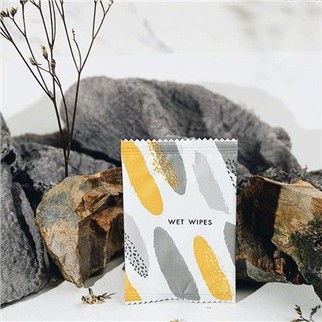
Wet wipes have become increasingly popular among consumers for their convenience and versatility. They are commonly used for cleaning surfaces, baby care, personal hygiene, and makeup removal, among other purposes. However, the increased use and disposal of wet wipes have raised concerns about their impact on the environment.
Most wet wipes are made of non-biodegradable materials, including plastics such as polyester and polypropylene. When these wipes are disposed of, they can accumulate in landfills and water bodies, leading to pollution and harm to wildlife. According to a study by Water UK, an estimated 93 percent of the material found in sewage blockages consists of wet wipes. These blockages can cause sewage overflows, which can result in pollution of waterways and pose a risk to human health.
Moreover, wet wipes often contain ingredients such as synthetic fragrances, preservatives, and chemicals that can be harmful to the environment. When these ingredients enter waterways, they can negatively impact aquatic life and ecosystems. Some wipes also contain microplastics, which can harm marine animals that mistake them for food.
However, not all wet wipes are created equal. Some types of wet wipes, such as those certified as biodegradable and compostable, are better for the environment. These wipes are made of organic materials such as plant fibers that break down naturally when disposed of. However, it's important to note that even biodegradable and compostable wipes should still be disposed of properly and not flushed down the toilet.
Additionally, some governments and organizations have taken steps to address the environmental impact of wet wipes. In the UK, for example, wet wipes that are labeled "flushable" must meet strict standards to ensure they break down properly in sewer systems. The European Union has also taken steps to ban some types of single-use plastics, including certain types of wet wipes, to reduce waste and protect the environment.
In conclusion, while wet wipes can be convenient, their disposal and environmental impact should be carefully considered. Choosing biodegradable and compostable wipes and disposing of them properly can be a better option for the environment. Limiting the use of wet wipes and turning to alternative, more sustainable options can also help reduce their impact on the environment.