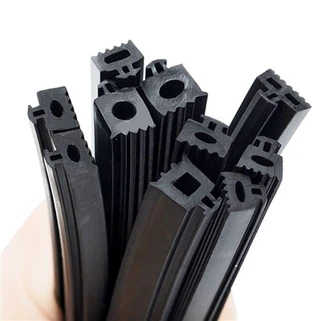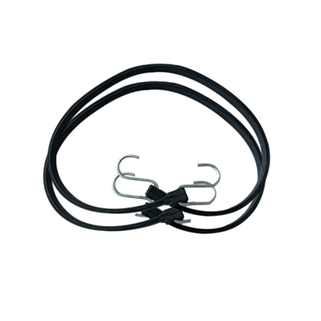


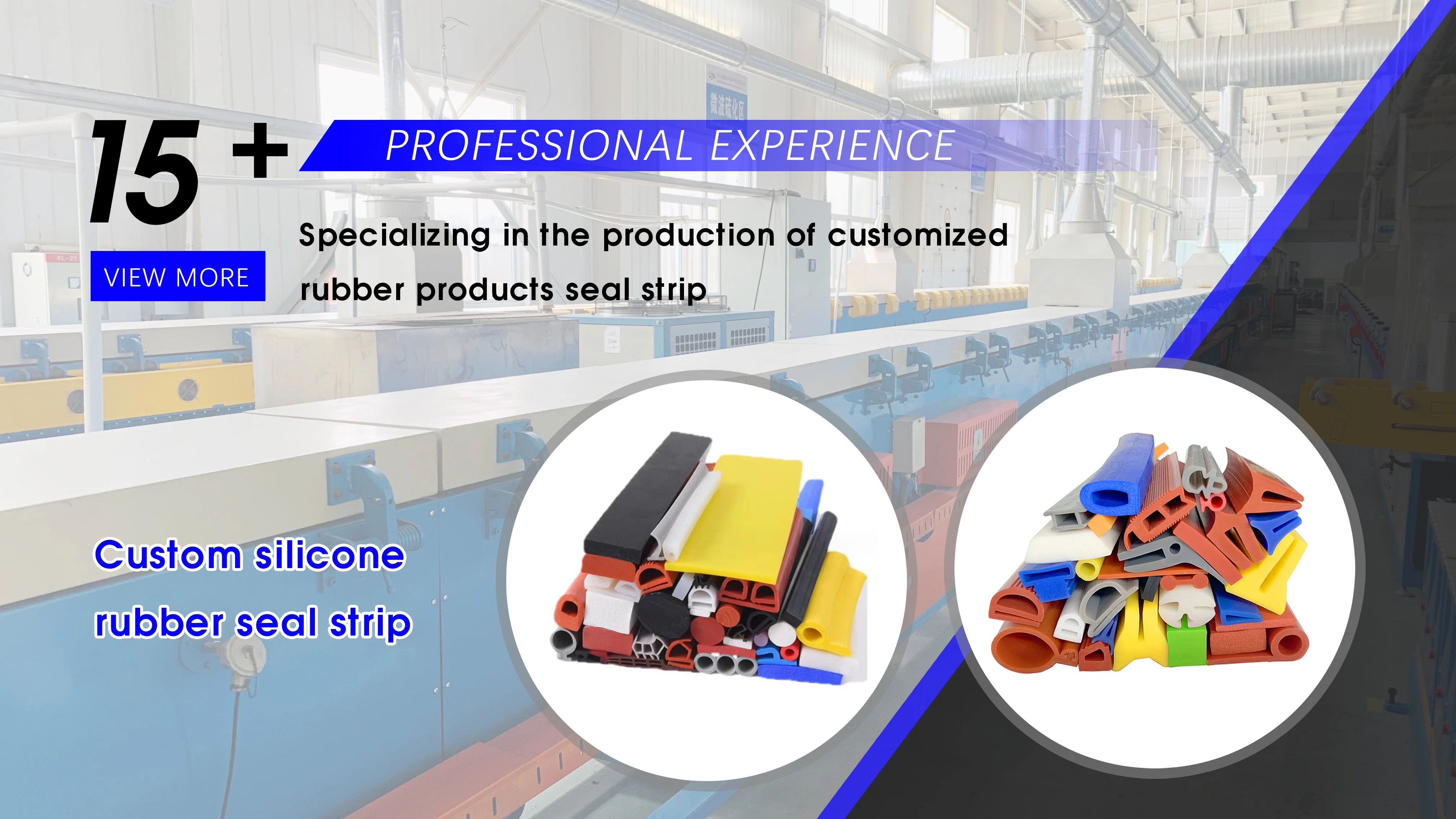
Water-expanding composite strip: adopts unique formula and process, with smooth surface, good weather resistance, fast water absorption and expansion speed, repeated water absorption without failure, and no size reduction after complete water loss and drying, bringing you eternal peace of mind in wind and rain, and is the only choice for high-end door and window sealing.
Water-swellable composite strips are formed by combining water-swellable rubber and EPDM rubber. One or more water-swellable strips are co-extruded at designated locations on conventional EPDM strips. These strips are primarily used for exterior glass sealing. If the exterior seal of doors and windows fails and a small amount of rainwater seeps in, the strips absorb the water and expand, achieving a watertight seal.
FAQs for Water-swelling Composite Strip
1. Q: What is a Water-swelling Composite Strip and how does it work?
A: A Water-swelling Composite Strip is an advanced sealing product engineered to provide active, self-sealing protection against water under hydrostatic pressure. It is a "composite" because it typically combines a durable, flexible rubber base (like EPDM or Neoprene) with a core or layer of a super-absorbent polymer. When exposed to water, the polymer layer absorbs the water and swells volumetrically, many times its original size. This controlled expansion creates immense, continuous pressure against the surrounding surfaces, automatically filling voids, cracks, and irregularities to form a perfect, watertight seal in structures where passive gaskets are insufficient.
2. Q: Where are Water-swelling Composite Strips primarily used?
A: These strips are critical in applications where preventing water ingress is a major engineering challenge. Their primary uses include:
Underground Construction: Sealing construction joints in tunnels, subways, and underground basements.
Waterproofing Joints: Sealing expansion joints and movement joints in concrete structures like water treatment plants, reservoirs, and swimming pools.
Pipe Penetrations: Sealing around pipe and cable penetrations through concrete walls and slabs.
Pre-cast Segments: Used as gaskets between segments in pre-cast concrete tunnel boring machine (TBM) projects, where they are the primary defense against groundwater.
3. Q: How do I install a Water-swelling Composite Strip?
A: Installation is a critical factor for performance. The general process is:
Surface Preparation: The concrete or substrate surface must be clean, sound, flat, and free of dust, oil, or laitance to ensure maximum adhesion.
Adhesive Application: A high-performance, water-resistant structural adhesive is applied to the strip's non-swelling side.
Firm Placement: The strip is then firmly pressed onto the prepared surface, ensuring full contact without stretching. It is often mechanically fixed at intervals for security before the concrete pour or panel placement.
Curing: The adhesive must be allowed to cure fully as per manufacturer instructions before the joint is closed and exposed to potential water contact.
4. Q: What is the swelling capacity and how long does it take to activate?
A: The performance is measured by its swelling capacity and rate. High-quality strips can achieve a swelling capacity of 200% to 500% of their original volume. The swelling rate is not instantaneous; it typically begins within minutes of contact but can take several hours to several days to reach its maximum volume, depending on the specific polymer formulation and water conditions. This controlled rate allows it to effectively seal against both slow seepage and more significant water pressure.
5. Q: What are the key advantages over traditional sealing methods like waterstops or bentonite?
A: Water-swelling composite strips offer several distinct advantages:**
Active Sealing: Unlike passive PVC waterstops, it actively expands to seal gaps, compensating for minor settlement or imperfect construction.
Superior to Bentonite: It provides more reliable and consistent swelling pressure than bentonite strips, which can be prone to washing out or having "dead spots." The composite design offers better mechanical strength and adhesion.
Self-Healing Properties: It can re-swell if minor shrinkage occurs or new small cracks develop, offering long-term protection.
Durability: The rubber backing provides robust physical protection during installation and service, unlike more fragile clay-based products.
Hot Tags: water-swelling composite strip, China water-swelling composite strip manufacturers, suppliers, factory