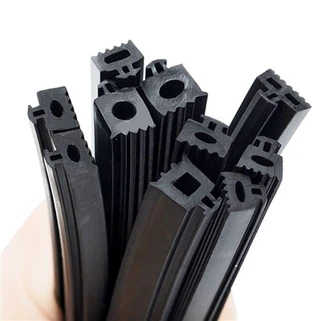


TPE ,TPV ,TPU Window And Door Seals Thermoplastic Elastomer Seal
Product Details:
| Place of Origin: | China |
|---|---|
| Brand Name: | Flexnite |
| Certification: | ISO 9001:2005, ISO 14001:2005, OHSAS 18001 |
Payment & Shipping Terms:
| Packaging Details: | General export packaging |
|---|---|
| Delivery Time: | 7-30 days |
| Payment Terms: | T/T, L/C |
Detailed Product Description
| Highlight: |
extruded rubber profilesrubber extrusions and seals |
||
|---|---|---|---|
TPE ,TPV ,TPU Window And Door Seals Thermoplastic Elastomer Seal
Quick Detail :
xcellent weather, ageing and chemical resistance
suit almost every environment and application
used in wood windows and doors, aluminium systems for windows, doors and facades, PVC windows and doors.
1) Material: TPE,TPV,TPU
2) Thermoplastic Elatomers have not only the outstanding properties of vulcanized rubber, such as high elasticity, aging resistance, oil resistance, but also the easy fabrication as general plastic. Material can be 100% recycled. And products are environmental protective, non-toxic, comfortable and beautiful.
3) Customized profiles and surface treatment is available
Products are widely used in wood windows and doors, aluminium systems for windows, doors and facades, PVC windows and doors.
We offer profiles from a comprehensive range of elastomer and thermoplastic materials including multi-component composite solutions.
Supported by the polymer materials expertise available, we can offer a full range of materials, surface treatments and fabrication techniques to suit almost every environment and application.
Using our extensive application knowledge coupled with state-of-the-art design and tooling technology, we can provide optimized sealing solutions to meet customer needs.
Thermoplastic Elastomer Seal; Construction Seal; Window Seal; Extrusion seal; Plastic Seal
FAQs for TPE, TPV, TPU Window and Door Seals
1. Q: What are TPE, TPV, and TPU, and why are they used for window and door seals?
A: TPE (Thermoplastic Elastomer), TPV (Thermoplastic Vulcanizate), and TPU (Thermoplastic Polyurethane) are advanced polymer materials that combine the flexibility and sealing performance of rubber with the processing ease and recyclability of plastic. They are increasingly used in modern window and door seals because they offer excellent weatherability, consistent performance, and are more eco-friendly than traditional thermoset rubbers like EPDM, as they produce less waste and can be recycled in production.
2. Q: What is the difference between TPE, TPV, and TPU seals, and how do I choose?
A: The choice depends on your specific performance needs:
TPE (General Purpose): A versatile, cost-effective option with good flexibility and a smooth surface. Ideal for standard weather sealing where extreme conditions aren't a primary concern.
TPV (High-Performance): Often considered a direct, recyclable replacement for EPDM. It offers superior heat resistance, excellent compression set resistance, and outstanding resistance to UV and ozone. This makes it the best all-around choice for durable, long-lasting door and window gaskets that need to withstand sunlight and temperature swings.
TPU (Tough & Abrasion Resistant): Known for its exceptional tensile strength, tear resistance, and resistance to oils, greases, and abrasion. It's ideal for heavy-duty door seals in high-traffic areas or applications where the seal might face physical impact or scraping.
3. Q: Are thermoplastic elastomer seals as durable and weather-resistant as traditional EPDM rubber?
A: High-quality TPV seals are directly comparable to, and in some ways superior to, EPDM. TPV specifically was engineered to match EPDM's excellent weather resistance and temperature tolerance while offering better processing flexibility. It provides strong resistance to UV radiation, ozone cracking, and water, ensuring a long service life. While general-purpose TPE may not be as robust, TPV and TPU are excellent, high-performance choices for demanding architectural applications.
4. Q: How are TPE, TPV, and TPU window seals installed?
A: Installation is typically simple and versatile, similar to traditional seals. These thermoplastic seals are commonly available in two forms:
Clip-On/Fin Seal: The most common type, featuring a rigid fin that is pushed or tapped securely into a dedicated channel on the window or door frame.
Self-Adhesive Backing: Many profiles come with a strong pressure-sensitive adhesive for bonding to clean, smooth surfaces.
Their inherent flexibility allows for easy handling and a secure fit, making them suitable for both DIY projects and professional manufacturing.
5. Q: What are the environmental benefits of choosing TPE, TPV, or TPU seals over thermoset rubber?
A: The primary environmental benefit is recyclability. Unlike thermoset rubbers (like EPDM) that cure irreversibly and must be landfilled, thermoplastic elastomers can be melted and re-formed. This allows manufacturers to recycle production scrap back into the process, significantly reducing waste. Furthermore, their light weight contributes to lower transportation emissions. Many TPE, TPV, and TPU compounds are also halogen-free and RoHS compliant, making them a more sustainable choice for green building projects.
Hot Tags: tpe ,tpv ,tpu window and door seals thermoplastic elastomer seal, China tpe ,tpv ,tpu window and door seals thermoplastic elastomer seal manufacturers, suppliers, factory