Rubber and plastic sealing rubber strip
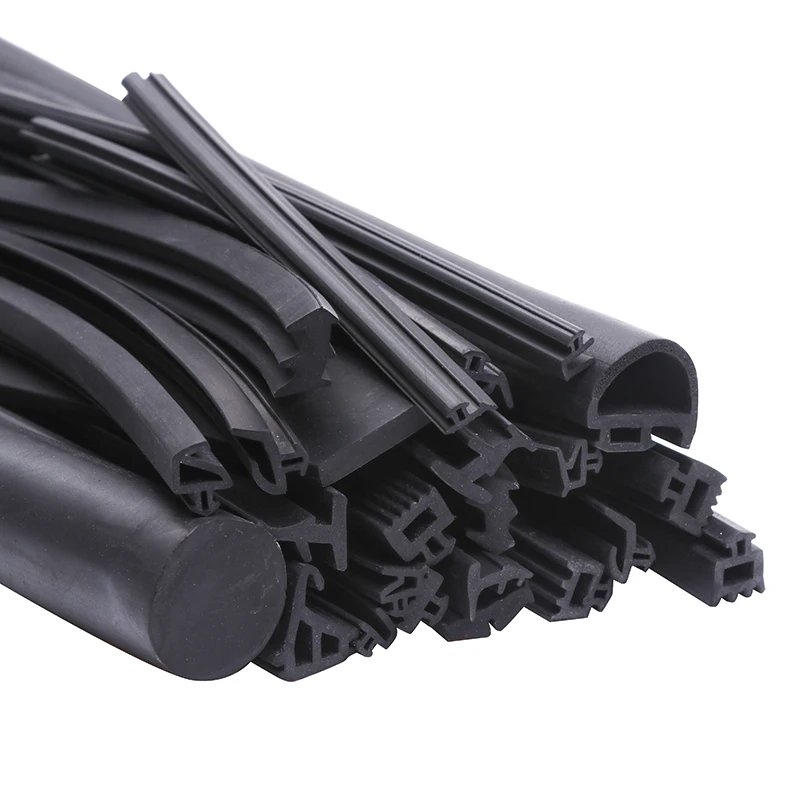
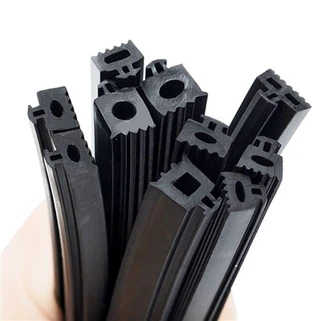
Rubber and plastic sealing rubber strip has become an essential component in various industries due to its versatile properties and applications. From automotive and construction to electrical and aerospace sectors, the demand for rubber and plastic sealing rubber strips has been steadily increasing.
One of the key advantages of rubber and plastic sealing rubber strips is their ability to provide an effective seal, preventing the ingress of moisture, dust, and other contaminants. This is crucial in applications where maintaining a clean and controlled environment is paramount, such as in laboratories or cleanrooms.
Furthermore, rubber and plastic sealing rubber strips offer excellent resistance to various environmental factors, including extreme temperatures, UV radiation, and chemicals. This makes them highly durable and reliable, ensuring a longer lifespan and reducing the need for frequent replacements.
In addition to their functional properties, rubber and plastic sealing rubber strips also offer aesthetic benefits. With a wide range of colors and textures available, they can seamlessly blend in with the overall design and enhance the visual appeal of a product or structure.
Moreover, the flexibility and elasticity of rubber and plastic sealing rubber strips make them easy to install and maintain. They can be easily cut to the desired length and shape, ensuring a precise fit and optimal performance. Regular cleaning and occasional lubrication are usually sufficient to keep them in top condition.
As technology advances, the development of innovative materials and manufacturing techniques has further improved the performance of rubber and plastic sealing rubber strips. From enhanced sealing capabilities to increased resistance against extreme environments, these advancements continue to push the boundaries of what can be achieved with these indispensable components.
In conclusion, the widespread use of rubber and plastic sealing rubber strips in various industries is a testament to their effectiveness and versatility. With their ability to provide an effective seal, resist environmental factors, offer aesthetic benefits, and easy installation and maintenance, they have undoubtedly become an integral part of modern-day applications. As industries evolve and demands grow, it is safe to say that the importance of rubber and plastic sealing rubber strips will only continue to rise.
FAQs for Rubber and Plastic Sealing Strips
1. Q: What is a rubber and plastic sealing strip and what are its key advantages?
A: A rubber and plastic sealing strip, often referred to as a hybrid or composite seal, is a profile that combines the best properties of both materials. Typically, this involves a soft, flexible rubber component (like EPDM sponge) for compression and sealing, fused to a rigid plastic component (like PP or ABS) for structural support and easy installation. Key advantages include:
Superior Sealing & Durability: The rubber part creates an excellent airtight and waterproof seal, while the plastic adds rigidity and prevents twisting or sagging.
Easy Installation: The integrated plastic carrier is often designed to clip or push directly onto a metal or plastic flange, eliminating the need for separate adhesives and speeding up assembly.
Cost-Effectiveness: By combining materials strategically, these strips often provide a more robust and functional solution than single-material seals at a competitive price point.
2. Q: In what applications are these composite sealing strips most commonly used?
A: The unique combination of flexibility and structural integrity makes these strips ideal for a wide range of applications, including:
Automotive: As door seals, trunk seals, and window channels where the plastic clips securely to the car body and the rubber seals against the elements.
Appliances: Sealing for refrigerators, ovens, and dishwasher doors to ensure energy efficiency and prevent leaks.
Construction & Furniture: Used in sliding doors, windows, and cabinet seals, where the rigid plastic allows for a secure mechanical fit into tracks or frames.
Electronics & Enclosures: Providing an EMI/RFI shielding gasket or an IP-rated dust and water seal for control panels and housings.
3. Q: How do I install a rubber and plastic sealing strip?
A: Installation is typically very straightforward, designed for efficiency. The most common method is the clip-on or push-on installation:
Identify the Flange: Locate the metal or plastic lip on your door, panel, or frame.
Align the Strip: Align the rigid plastic carrier (often a U-channel or a specific clip design) with the flange.
Press or Tap Into Place: Simply press the strip firmly onto the flange by hand. For a tighter fit, you can use a rubber mallet to gently tap it along its length until it is fully seated and secure.
For styles without a clip, a strong pressure-sensitive adhesive may be applied to the plastic backing for simple peel-and-stick application.
4. Q: What are the environmental resistance properties of these seals?
A: The environmental resistance depends on the specific rubber and plastic polymers used. However, common combinations like EPDM rubber with polypropylene (PP) offer excellent overall performance:
Temperature Resistance: Suitable for a wide range, typically from -40°C to +100°C (-40°F to 212°F).
Weather & UV Resistance: EPDM provides excellent resistance to ozone, UV radiation, and weathering, ensuring long-term outdoor durability.
Moisture & Chemical Resistance: The closed-cell nature of the rubber component provides waterproofing, and the materials generally resist water, acids, and alkalis.
5. Q: Can these sealing strips be customized for my specific application?
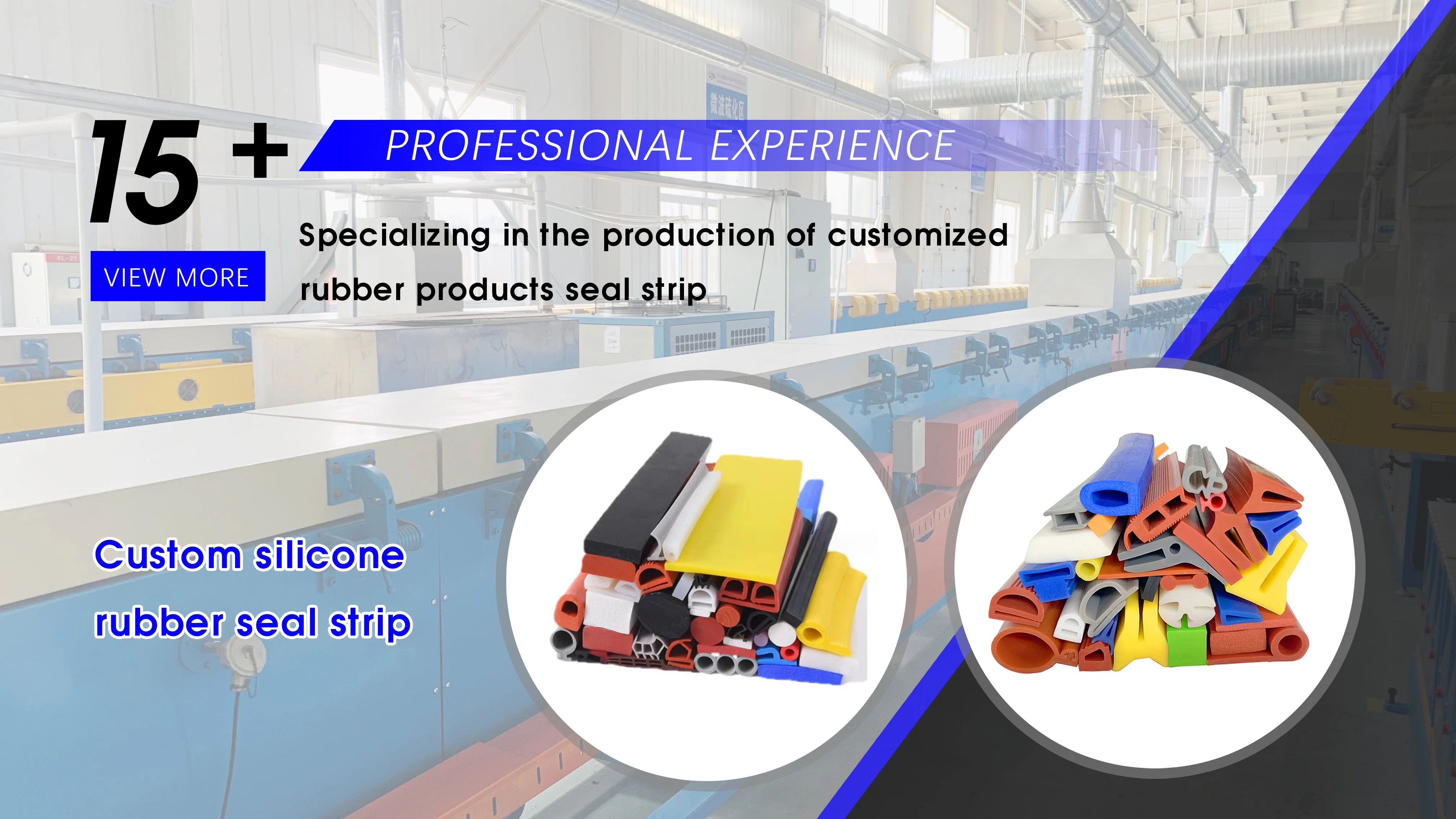
A: Yes, absolutely. One of the greatest strengths of co-extruded rubber and plastic seals is their high degree of customizability. Manufacturers can tailor:
Profile Design: Custom shapes and cross-sections to fit your unique channel or sealing surface.
Material Combination: Selecting specific rubber hardness (durometer) and plastic polymer to meet exact performance needs for flexibility, strength, or chemical resistance.
Color: The plastic component can often be colored to match your product's aesthetics.
Length & Packaging: Supplied in continuous coils or cut-to-length pieces as required.
Hot Tags: rubber and plastic sealing rubber strip, China rubber and plastic sealing rubber strip manufacturers, suppliers, factory