




Curtain Wall Weather Seal Strip
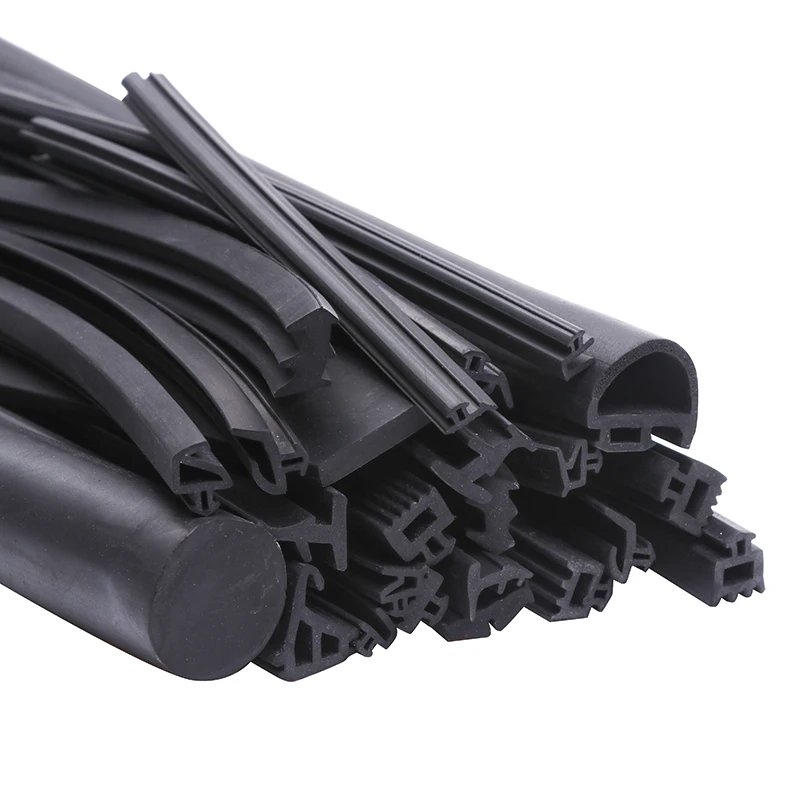
Curtain Wall Weather Seal Strip: The Ultimate Defense for Modern Building Envelopes
Engineered to meet the rigorous demands of contemporary architecture, our Curtain Wall Weather Seal Strip provides an exceptional barrier against environmental elements. Crafted from high-performance EPDM rubber, this seal strip offers superior resistance to ozone, UV radiation, and extreme temperature fluctuations from -40°C to +120°C. Its advanced formulation ensures long-term elasticity and compression set resistance, critical for maintaining a perfect seal in dynamic curtain wall systems. The strip is designed to effectively prevent water infiltration, block air drafts, and dampen wind-induced noise, contributing to enhanced indoor comfort and significant energy savings for high-rise buildings and commercial structures.
Precision Engineering for Superior Performance
This Curtain Wall Weather Seal Strip features specialized profiles that integrate seamlessly with various curtain wall configurations, including unitized and stick systems. Its robust design accommodates structural movements caused by thermal expansion, wind load, and inter-story drift, ensuring continuous protection without compromising the aesthetic integrity of the facade. The easy installation process reduces on-site labor time while providing reliable, long-lasting performance. By choosing our weather seal strip, architects and builders secure a critical component that enhances the building's durability, reduces maintenance costs, and ensures LEED certification contributions through improved energy efficiency. Invest in the definitive solution for curtain wall weatherproofing challenges.
FAQs for Curtain Wall Weather Seal Strip
1. Q: What is a curtain wall weather seal strip and what is its primary function?
A: A curtain wall weather seal strip is a precision-engineered gasket, typically made from EPDM rubber, specifically designed for the building envelope of modern structures. Its primary function is to create a resilient, continuous barrier within the curtain wall system. This critical component provides air and water tightness, preventing water infiltration and air leakage while accommodating the natural thermal expansion, wind sway, and inter-story drift of the building. It is the first line of defense in ensuring the building's longevity, occupant comfort, and energy efficiency.
2. Q: Why is EPDM the most specified material for high-performance curtain wall seals?
A: EPDM (Ethylene Propylene Diene Monomer) is the industry benchmark for a reason. It delivers a unique combination of properties essential for long-term curtain wall performance:
Superior Weather Resistance: Exceptional resistance to UV radiation, ozone, and temperature extremes (-40°C to +70°C), preventing cracking and degradation for decades.
Excellent Compression Set Resistance: It maintains its shape and sealing force over time, recovering after repeated compression cycles caused by building movement.
Long Service Life: EPDM seals have a proven track record of 30+ years in demanding environmental conditions, outlasting alternative materials like PVC or poor-quality foam.
3. Q: How are these weather seal strips installed within a curtain wall system?
A: Installation is primarily mechanical and designed for integration with the curtain wall's aluminum framing. The strips are precision-extruded to match specific profile channels. They are typically:
Pressed or Rolled: Manually pressed or rolled into dedicated gasket channels in millions, transoms, or pressure plates.
Locked into Glazing Channels: Used as a glazing gasket to cushion and seal the insulating glass unit.
Fitted Between Panels: Installed as joint seals between prefabricated curtain wall panels to manage movement and block moisture.
This mechanical fit ensures a secure, long-lasting hold without the reliability issues of adhesives in such critical applications.
4. Q: What certifications and performance standards should a quality seal strip meet?
A: A reputable curtain wall weather seal should be tested and certified to meet rigorous international standards for air, water, and structural performance. Key standards include:
ASTM E283: Standard Test Method for Determining Rate of Air Leakage.
ASTM E331: Standard Test Method for Water Penetration under static pressure.
AAMA 501.1: Standard test method for water penetration of curtain walls using dynamic pressure.
ASTM E330: Standard Test Method for Structural Performance.
Look for seals backed by test reports validating their role in achieving these performance levels for the overall curtain wall assembly.
5. Q: Can custom profiles be manufactured for unique curtain wall designs?
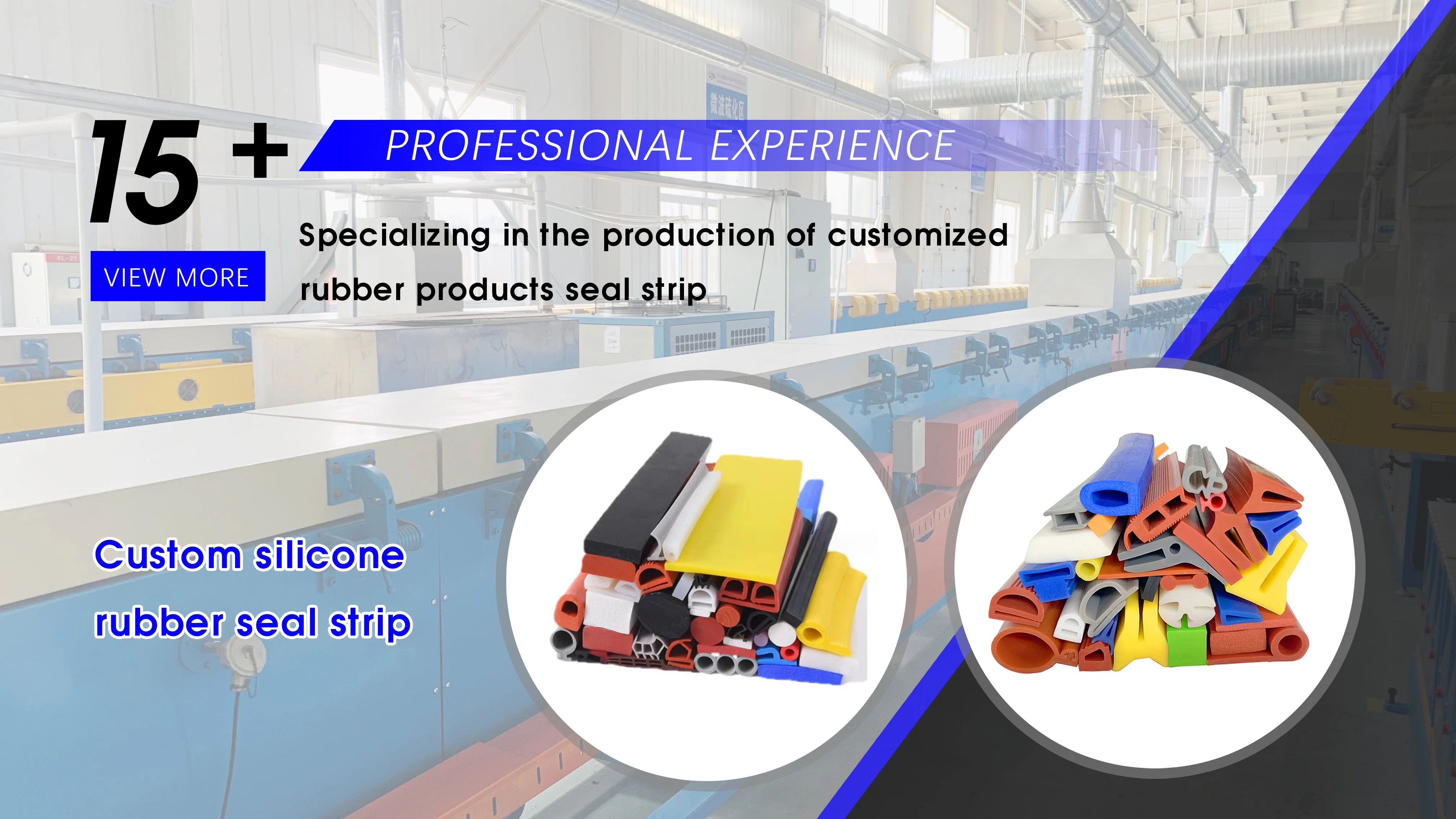
A: Absolutely. The nature of rubber extrusion allows for a high degree of customization. We specialize in developing custom EPDM extruded profiles to meet the exact geometric and performance requirements of any curtain wall design, whether a standard unitized system or a complex, bespoke architectural project. This includes custom durometers (hardness), colors, and co-extruded structures to combine a soft sealing bulb with a rigid mounting fin for easier installation.
Hot Tags: curtain wall weather seal strip, China curtain wall weather seal strip manufacturers, suppliers, factory


