Automotive EPDM Weather Stripping
Overview
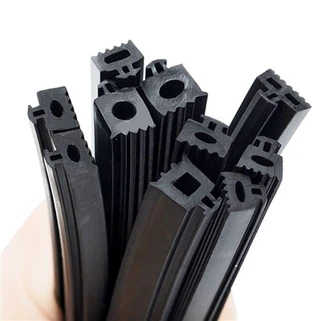
Automotive EPDM weather stripping is a type of sealing material commonly used in vehicles to provide protection against weather elements such as rain, wind, and dust. It is made from EPDM (ethylene propylene diene monomer) rubber, known for its durability, flexibility, and resistance to UV radiation and extreme temperatures.
EPDM weather stripping is installed around the edges of doors, windows, hoods, trunks, and other openings in vehicles to create a tight seal, preventing water, air, and noise from entering the cabin. This helps to improve the comfort of passengers, reduce interior noise levels, and enhance the overall driving experience.
One of the main advantages of EPDM weather stripping is its excellent weather resistance, making it suitable for use in various climates and environmental conditions. Additionally, EPDM rubber is highly resilient and maintains its elasticity over time, ensuring long-lasting performance and sealing effectiveness.
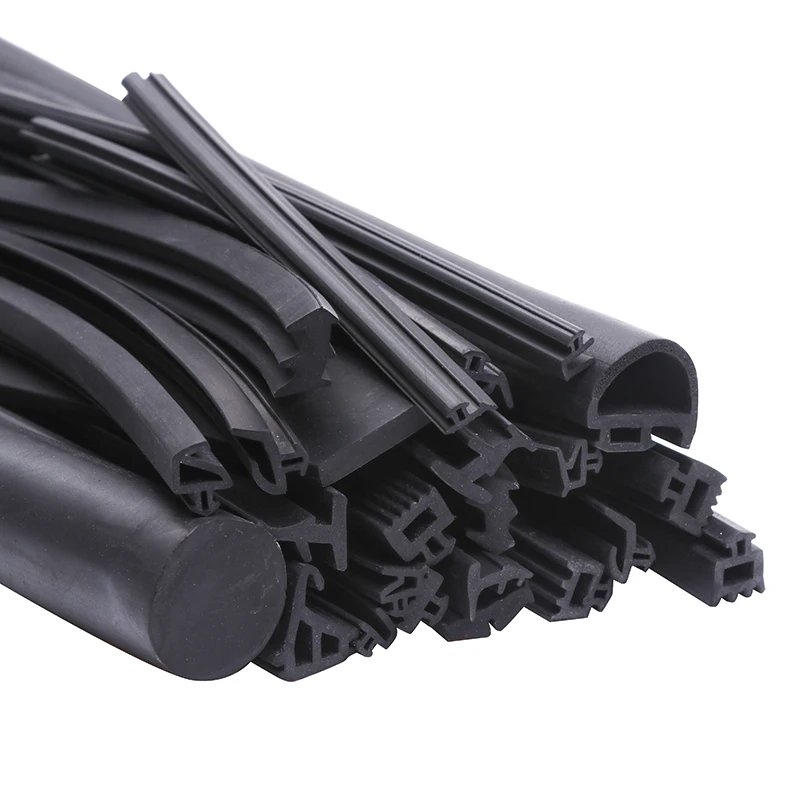
EPDM weather stripping is available in different profiles and sizes to fit specific vehicle applications, and it can be easily installed using adhesive backing or mechanical fasteners.
While EPDM weather stripping may require an initial investment, its cost-effectiveness and necessity for cars are evident in its ability to prevent damage, improve comfort, reduce noise, enhance safety, and contribute to long-term savings on repairs and maintenance. As such, investing in high-quality EPDM weather stripping is considered a wise decision for vehicle owners looking to protect their investment and ensure a comfortable and safe driving experience.
FAQs for Automotive EPDM Weather Stripping
1. Q: Why is EPDM the best material for automotive weather stripping?
A: EPDM rubber is considered the industry standard for automotive weather stripping due to its superior performance in harsh conditions. Its key advantages include exceptional ozone resistance, UV resistance, and ability to withstand extreme temperatures from -40°C to +125°C (-40°F to +260°F). Unlike other materials, EPDM remains flexible and elastic over time, providing a long-lasting seal against noise, water, and wind. It effectively prevents wind noise and water leaks, making it the preferred choice for car door seals, trunk seals, and window seals.
2. Q: How do I install a new EPDM door seal on my car?
A: Installing automotive EPDM door seals is a straightforward DIY task. First, carefully remove the old seal, cleaning the channel thoroughly with rubbing alcohol to ensure a clean, adhesive-free surface. If your new seal has clips, align them with the corresponding holes. For self-adhesive or push-on styles, start at one corner (like the top of the door frame) and press the seal firmly into the channel, working your way around. Avoid stretching the seal. Once complete, close the door to allow the seal to form to its final shape, ensuring a perfect, weathertight seal.
3. Q: How can I maintain my car's EPDM weatherstripping to make it last longer?
A: Proper maintenance is key to extending the life of your car's seals. Regularly clean the weatherstripping with a mild soap and water solution to remove dirt and grime. To prevent the rubber from drying out, cracking, and losing elasticity, apply a UV-protectant rubber conditioner or silicone spray 2-3 times a year. This simple maintenance routine will keep the seals soft and pliable, ensuring they continue to provide excellent noise reduction and weatherproofing for years.
4. Q: My car's door seals are leaking or making noise. Is it time for a replacement?
A: If you notice wind noise, water leaks after rain, or visible drafts, it's a clear sign your EPDM weatherstripping is failing. Visually inspect the seals for cracks, tears, permanent deformation, or a brittle texture. A simple test is to close a door on a piece of paper; if you can pull it out easily, the seal's compression is weakened. Replacing worn automotive door seals is crucial to restore cabin quietness, protect your vehicle's interior from water damage, and improve climate control efficiency.
5. Q: Are automotive EPDM seals resistant to chemicals and temperature extremes?
A: Yes, EPDM is highly valued for its excellent resistance to polar fluids, including water, brake fluid, and alkalis. It performs exceptionally well in a wide range of temperature resistance, maintaining its flexibility in both freezing winters and hot summers. This makes it ideal for all automotive climates. While highly resistant to weathering, it is not recommended for prolonged contact with petroleum-based oils and fuels. For most automotive sealing applications, EPDM offers the perfect balance of durability, flexibility, and chemical resistance.
Hot Tags: automotive epdm weather stripping, China automotive epdm weather stripping manufacturers, suppliers, factory