Antibacterial Gel: Essential for Personal Hygiene and Protection
Antibacterial gel is a key product in personal hygiene routines, providing a convenient and effective solution for sanitizing hands and surfaces. These gels contain active ingredients like alcohol or natural antibacterial agents that help kill harmful bacteria and viruses, making them an essential product for both everyday use and in times of health crises, such as the global COVID-19 pandemic.
Key Features of Antibacterial Gel
Effective Germ Protection
The primary function of antibacterial gel is to eliminate harmful bacteria, viruses, and pathogens from the skin or surfaces. When soap and water aren't available, antibacterial gel is a fast, effective alternative.
Alcohol-based vs. Alcohol-free
Alcohol-based antibacterial gels typically contain around 60-70% alcohol, which is effective in killing most germs. Alcohol-free versions may use natural antibacterial agents, such as aloe vera, tea tree oil, or glycerin, which are gentler on the skin but may not offer the same level of efficacy as alcohol-based gels.
Convenient and Portable
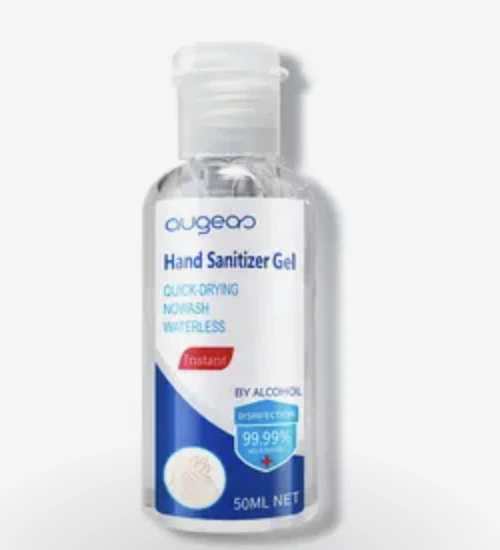
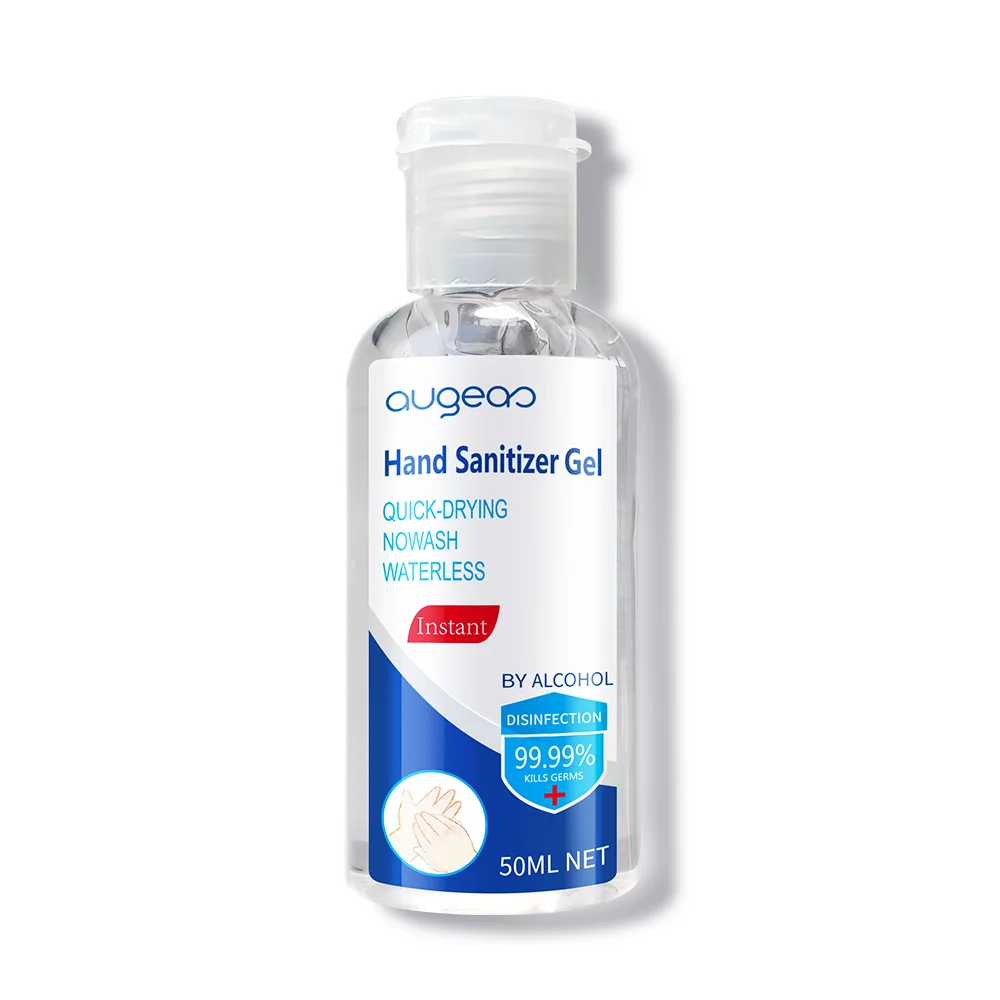
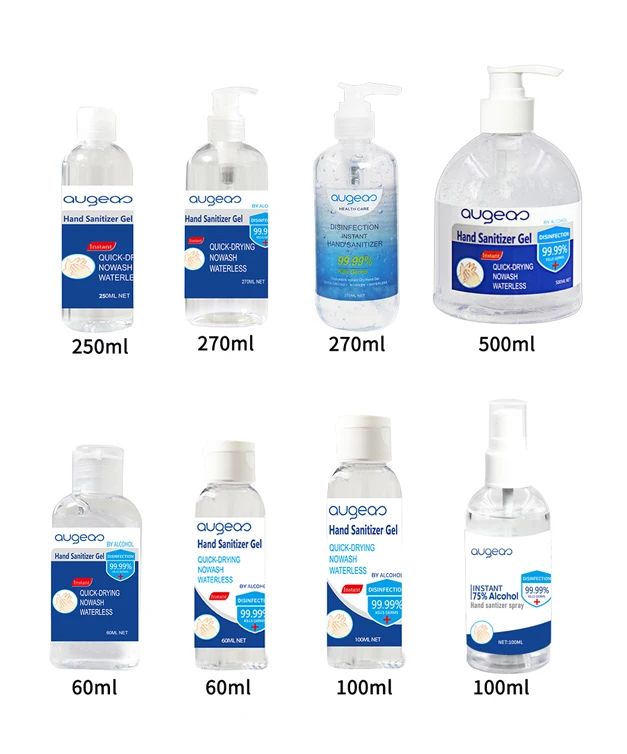
Antibacterial gel comes in various sizes, from large bottles for home or office use to small travel-size bottles that are perfect for on-the-go. It's easy to carry and apply whenever you need it, making it a highly convenient hygiene solution.
Moisturizing and Skin Care
Many modern formulations include moisturizing agents such as aloe vera, vitamin E, or glycerin, which help prevent the skin from drying out after frequent use. This makes antibacterial gel not only effective but also gentle on the skin.
Fast-drying Formula
Most antibacterial gels are designed to dry quickly, leaving your hands feeling clean without the need for rinsing. This makes them perfect for situations where you need quick hygiene, such as while traveling, in public spaces, or during meals.
Types of Antibacterial Gel
Alcohol-based Antibacterial Gel
Contains isopropyl alcohol or ethanol, which are proven to kill bacteria and viruses. These gels are generally more effective at killing a wide range of pathogens.
Alcohol-free Antibacterial Gel
These gels use natural ingredients or other chemical agents like benzalkonium chloride to provide antibacterial protection. They are ideal for people with sensitive skin or those who prefer alcohol-free products.
Moisturizing Antibacterial Gel
Formulated with ingredients like aloe vera, glycerin, and vitamin E, these gels help keep the skin soft and hydrated while offering antibacterial protection.
Scented vs. Unscented Antibacterial Gel
Some gels come with added fragrances, such as citrus, lavender, or unscented options for those sensitive to scents or who prefer a neutral smell.
Product Specifications
| Attribute | Specification |
|---|---|
| Active Ingredient | Alcohol (60%-70%) or Natural Antibacterial Agents |
| Formulation | Alcohol-based, Alcohol-free, Moisturizing |
| Volume | 30ml, 50ml, 100ml, 250ml, 500ml, 1L |
| Packaging | Travel-size bottles, pump bottles, bulk refills |
| Moisturizing Ingredients | Aloe vera, Vitamin E, Glycerin |
| Scent | Scented (variety), Unscented |
| Shelf Life | Typically 1-2 years depending on formulation |
| Uses | Hand sanitizing, surface cleaning, personal hygiene |
Applications of Antibacterial Gel
Personal Hygiene:
The most common use is for hand sanitization, especially in situations where soap and water are not available. It's perfect for use in public places like malls, buses, airports, and schools.
Health and Safety:
In medical settings, antibacterial gels are used to disinfect hands between patient care or during other healthcare-related activities.
Food Service and Travel:
Antibacterial gels are a must-have for food service workers, travelers, or anyone who frequently handles public items, like shopping carts or public transport.
Home and Office:
Keep a bottle of antibacterial gel in your home or office to encourage good hygiene, especially in shared spaces like kitchens, bathrooms, or meeting rooms.
Benefits of Antibacterial Gel
Quick and Convenient
With no water or towel required, antibacterial gel is a fast and easy solution for on-the-go sanitizing. It's perfect when you're in a hurry or traveling.
Effective Against Germs
Alcohol-based gels, in particular, can effectively kill 99.9% of common germs and pathogens, offering a powerful layer of protection against illness.
Prevents Skin Dryness
Many modern formulations include moisturizing agents, so your hands stay soft and hydrated even with frequent use.
Portable and Easy to Store
Antibacterial gel is available in various sizes, making it easy to store in your purse, backpack, or glove compartment. Travel-size bottles make it easy to carry when you're on the move.
Ideal for High-Risk Situations
Perfect for healthcare settings, foodservice, travel, or outdoor activities, antibacterial gel helps reduce the spread of infection and illness in high-risk situations.
Frequently Asked Questions (FAQ)
Q1: How effective is antibacterial gel against viruses?
Antibacterial gel, particularly those with alcohol, is highly effective against a wide range of bacteria and viruses, including those responsible for the flu, colds, and COVID-19. However, it's less effective against some viruses like norovirus. For broader virus protection, use it in conjunction with other hygiene practices like wearing masks and frequent hand washing.
Q2: Can antibacterial gel be used on surfaces?
Yes, many antibacterial gels can also be used to clean surfaces like countertops, doorknobs, and phones. However, it's always best to check the label for any specific instructions.
Q3: Is alcohol-free antibacterial gel as effective as alcohol-based gel?
Alcohol-free gels are effective, but they may not kill as broad a spectrum of pathogens as alcohol-based gels. They tend to be gentler on the skin and are ideal for sensitive skin, but may require longer contact time to be fully effective.
Q4: How often should I use antibacterial gel?
Use antibacterial gel as often as needed, especially after touching public surfaces or after activities like eating, traveling, or using the bathroom. If possible, wash your hands with soap and water to reduce reliance on hand sanitizers.
Q5: Can antibacterial gel cause skin dryness?
Frequent use of alcohol-based gels can lead to skin dryness. To prevent this, choose gels that contain moisturizing ingredients like aloe vera or glycerin.
Hot Tags: antibacterial gel, China antibacterial gel manufacturers, suppliers, factory, Best Wipes for Cats, Efficient Dog Antiseptic Wipes, Cat Paw Wipes, Best Wet Tissue for Face, Health Wipes For Adults, Best Feminine Wipes