Body Wipes Are Defined by Sheet Geometry, Not by a Category Label
"Body wipes" and "adult wipes" overlap on retail shelves but describe different engineering priorities. An adult per-change wipe is specified around urine and faecal cleansing at 18 × 20 cm or 20 × 30 cm; a face wipe is specified around low lint and eye-area tolerance at 15 × 20 cm; a body wipe is specified around covering a torso, a limb, or a full back in one or two passes, which pushes the sheet to 20 × 30 cm and the substrate to 65 gsm as a common reference build. Goodwipes' body wipe, for example, is listed at 9.5 × 11.5 inches when fully unfolded-roughly 24 × 29 cm-and is explicitly positioned as "really big" against the category, with a "DO NOT FLUSH" instruction because the sheet is too large for sewer and septic systems.
We produce body wipes at 20 × 30 cm and custom dimensions, on 45–80 gsm spunlace nonwoven, with a lotion add-on in the 250–400% by weight range that the industry treats as standard. The lotion can carry aloe, glycerin, vitamin E, and optional botanical extracts, at a declared pH target rather than an undefined "pH balanced" badge. This page is a sheet-geometry and add-on-rate specification guide; for the flushable-versus-non-flushable decision, the Wet Wipes Adults page covers that fork separately, and for the full-body leave-on moisturizing architecture at a 3.0–4.0× load, see Lotion Wipes for Dry Skin.
The 20 × 30 cm Reference and Why Sheet Area Drives the Add-On Rate
15 × 20 cm Face / Hand Format
Roughly 300 cm² of surface area. The sheet is sized for a face or a pair of hands, and the lotion add-on can sit at the lower end of the 250–400% range because the wipe is not expected to cover a large soiled area. A 45–55 gsm substrate is common at this size, and the wet strength requirement is modest because the pass is short.
20 × 30 cm Body Format
Roughly 600 cm² of surface area, double the face format. The sheet has to hold enough lotion to release across a torso or a limb without going dry, and it has to survive the lateral load of a longer pass. A 65 gsm substrate at the same lotion ratio as a 45 gsm face wipe carries roughly 44% more total lotion per sheet, which is why the body format is specified as a separate construction rather than a face wipe scaled up.
The sheet area is the variable that most buyers underestimate. A 20 × 30 cm sheet at 250% add-on carries more total lotion than a 15 × 20 cm sheet at 400% add-on, because the substrate mass is larger. That changes the pack weight, the wet strength requirement, and the per-wipe cost. The add-on rate and the sheet dimension should be specified as a pair, not as independent line items, because a 20 × 30 cm sheet at the low end of the add-on range can feel drier on a limb than a 15 × 20 cm sheet at the high end.
"65 gsm at 20 × 30 cm" is a reference build, not a rule. It is the construction that appears repeatedly in adult body-wipe listings and OEM specification sheets because it balances coverage, wet strength, and per-wipe cost. A 55 gsm sheet at 20 × 30 cm is a lighter, lower-cost body wipe for a travel pack; an 80 gsm sheet at the same dimension is a heavier, more durable build for a soiled or fragile-skin use case. The 65 gsm figure should be treated as the starting point for a body-wipe brief, not as the only valid specification.
Lotion Add-On: The 250–400% Range and What It Means for Wet Strength
The industry-standard lotion addition level is commonly cited as 250–400% by weight of the dry wipe. That means a 65 gsm, 20 × 30 cm sheet with a dry mass of roughly 3.9 g carries between 9.8 g and 15.6 g of lotion at that range-a total wet weight of 13.7 g to 19.5 g per sheet. The add-on rate determines the skin feel, the pack weight, and the wet strength demand, because a sheet carrying more lotion is heavier and more prone to stretching under a lateral pull.
| Add-On Rate | Wet Weight per 65 gsm 20 × 30 cm Sheet | Skin Feel | Wet Strength Demand | Best For |
|---|---|---|---|---|
| 250% | ~13.7 g | Lightly moist; releases lotion steadily without a wet film | Lowest of the range; suits a 55–65 gsm substrate | Travel pack, gym bag, a body wipe used on intact skin |
| 300–350% | ~15.6–17.6 g | The mainstream body-wipe feel; enough lotion for a torso or limb pass | Moderate; a 65 gsm substrate with ≥2.5 N/25 mm MD is the working floor | Retail body wipe, post-workout, elder-care refresh |
| 400% | ~19.5 g | Wet and substantial; can feel dripping if the substrate does not hold the load evenly | Highest; a 70–80 gsm substrate or a higher wet-strength target is advisable | A body wipe used on soiled or fragile skin, where lotion release matters more than unit cost |
The wet-strength floor is the second number that has to be specified alongside the add-on rate. A mean wet machine-direction breaking load of roughly 2.5 N/25 mm appears in wipe specifications as a baseline, and some standards cite higher values for adult body wipes. A 20 × 30 cm sheet at 400% add-on that hits only 2.5 N/25 mm is a sheet that will stretch during a full-limb pass; the wet-strength target should rise with the add-on rate and the sheet dimension, not stay fixed at the baseline.
"pH Balanced" Needs a Declared Target, Not a Badge
Most body wipes on the market carry a "pH balanced" statement, but the phrase is not self-verifying. The body has different pH zones-the face and neck sit closer to 5.0–5.5, the trunk and limbs are broadly compatible with 5.0–6.0, and the intimate area is more acidic-so a single "pH balanced" claim without a declared target does not tell the buyer which skin surface the formula was built for. A body wipe that declares pH 5.5 and supports it with batch-release and stability data is a different product from one that prints "pH balanced" with no number behind it.
What to Ask For
Ask for the pH target, the measurement method, and the stability data showing the lotion stays within the declared window across shelf life. A wipe measured at 5.5 at manufacture but drifting to 6.3 in storage is not delivering the same product at the point of use, and the "pH balanced" statement becomes a label rather than a specification.
What "Balanced" Should Refer To
For a body wipe used on the trunk, limbs, and back, a target around pH 5.5 is a reasonable working point because it sits within the skin's acid-mantle range without the sting of a more acidic intimate formula. For a wipe positioned for the whole body including the face, the target should be confirmed against the facial tolerance data, not extrapolated from a body-only panel.
What the Claim Does Not Cover
A pH statement does not establish tolerance, fragrance-free status, or preservative suitability. Those are separate evidence sets: an HRIPT on 50+ subjects supports a sensitive-skin claim, an allergen screen supports a fragrance-free claim, and an ISO 11930 challenge test supports the preservation system. The pH data should sit alongside those documents, not substitute for them.
For a buyer whose pack will carry "pH balanced" and "hypoallergenic" together, the two claims should have separate documentation. The pH target and stability data support the first; the HRIPT supports the second. A retailer review will ask for both, and a supplier that can produce only one is describing half a product.
Technical Specifications
| Parameter | Specification |
|---|---|
| Product Type | Body wipes for full-body or partial-body cleansing (cosmetic route; not flushable) |
| Substrate | Spunlace nonwoven; 100% viscose, viscose/polyester blend, or bamboo; 45–80 gsm |
| Reference Build | 65 gsm at 20 × 30 cm (≈600 cm² surface area) |
| Sheet Size | 20 × 30 cm standard; 15 × 20 cm to 24 × 29 cm available; custom dimensions |
| Lotion Add-On | 250–400% by weight of dry substrate; specified together with the sheet dimension |
| Lotion pH | Declared target, typically ~5.5 for whole-body use; confirmed at release and on stability |
| Wet Tensile Strength | ≥2.5 N/25 mm MD as a floor; target raised with add-on rate and sheet dimension |
| Functional Ingredients | Aloe vera, glycerin, vitamin E; optional botanical extracts |
| Fragrance | Fragrance-free or a light hydrosol-based scent; allergen screen where fragrance-free is claimed |
| Preservation | ISO 11930 challenge-tested on the finished saturated wipe |
| Tolerance Testing | HRIPT on 50+ subjects for a sensitive-skin or hypoallergenic claim |
| Disposal Labelling | "DO NOT FLUSH" where the destination state requires it; a 20 × 30 cm sheet is not sewer-safe |
| Pack Formats | Soft pack, flatpack, canister, or individually wrapped sachet; 10–100 ct |
| MOQ | From 30,000 packs per SKU for standard formats |
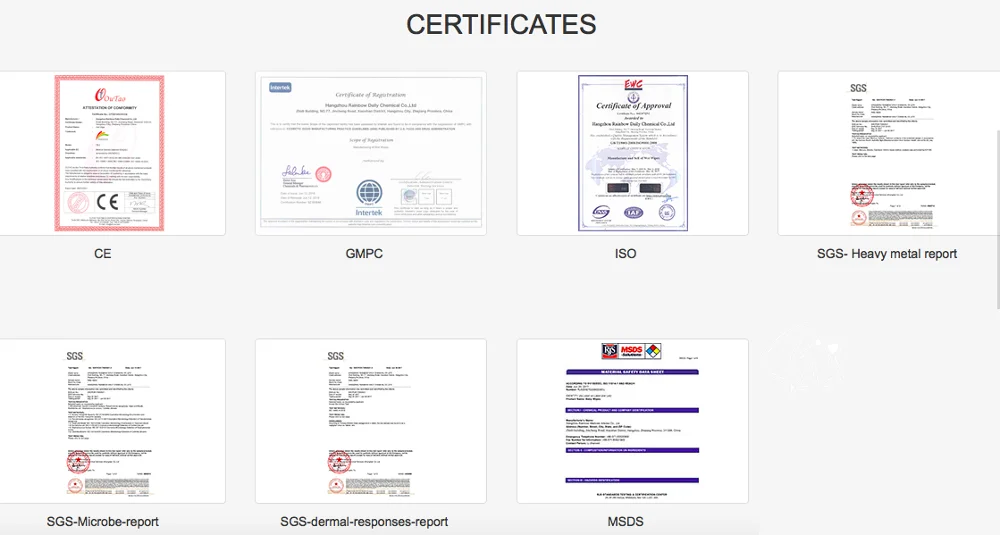
| Manufacturing Standards | ISO 9001 / GMP-aligned; ISO 22716 for cosmetic-route programmes |
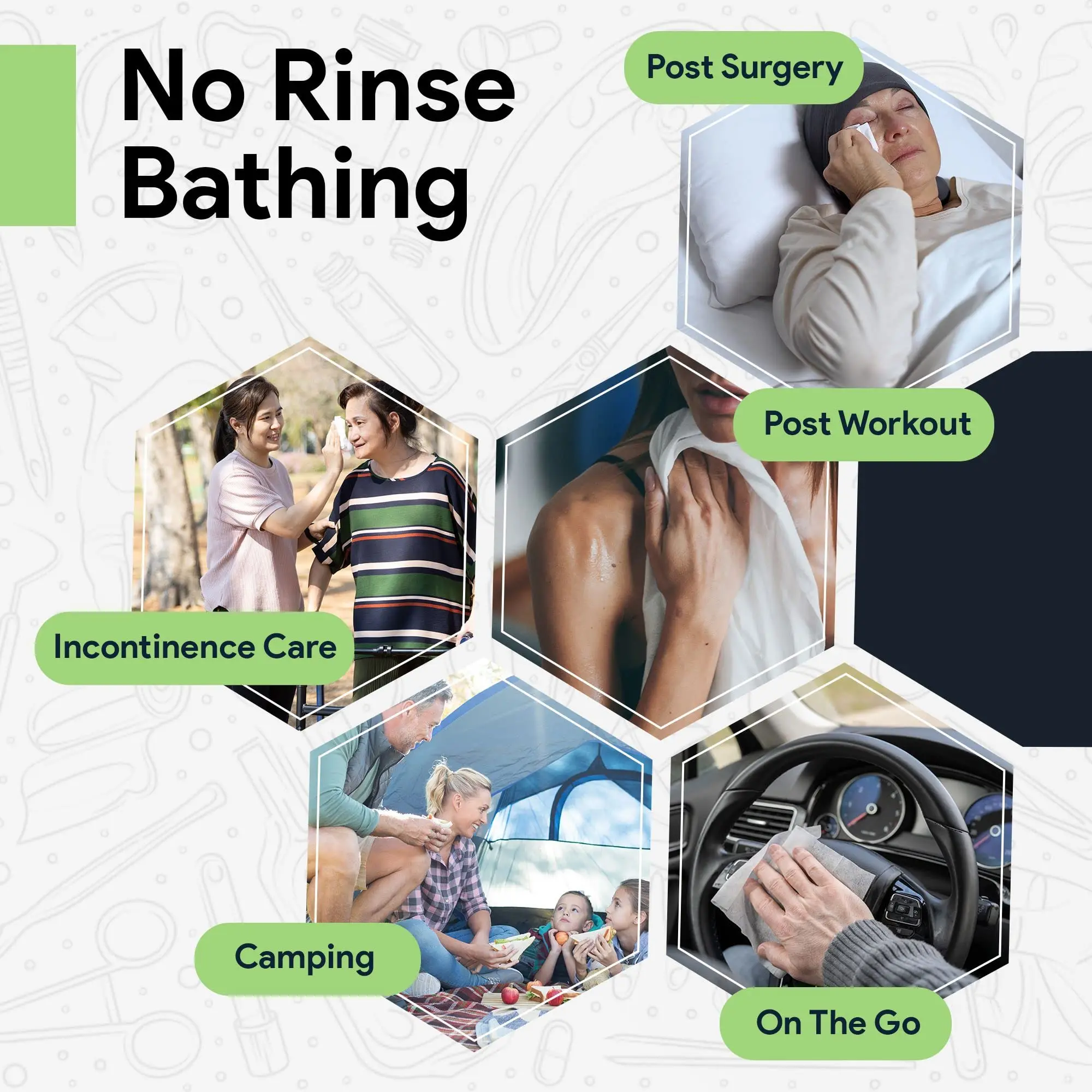
The sheet dimension, the gsm, the add-on rate, and the wet-strength target are confirmed as one specification. A 65 gsm, 20 × 30 cm sheet at 300% add-on and a 55 gsm, 20 × 30 cm sheet at 250% add-on are both valid body wipes for different channels, but they carry different wet weights, different wet-strength demands, and different per-wipe costs. The buyer should name the intended use occasion-retail refresh, post-workout, or care-setting body cleansing-before the four numbers are locked.
Regulatory Route: Cosmetic by Default, Drug on a Claim
A body wipe marketed for cleaning and moisturizing the skin is a cosmetic in both the US and the EU, which means it can be placed on the market without pre-market approval for ingredients other than colour additives, and the responsible person carries the safety obligation. That default route covers a body wipe used for post-workout refresh, travel, or elder-care cleansing, provided the label does not assert a therapeutic or kill-claim function. The cosmetic route is the one most body-wipe programmes follow, and it is the route the Goodwipes body wipe sits on when it is positioned for "wiping away sweat and odor" rather than for treating a condition.
The classification changes when the claim changes. A wipe marketed as killing bacteria on the skin becomes an over-the-counter drug in the US, subject to monograph compliance, drug listing, and current good manufacturing practice obligations. A wipe positioned for treating acne, diaper rash, or another skin condition is also a drug on that route. The claim wording is the fork: the same 65 gsm, 20 × 30 cm construction can sit on the cosmetic route or the drug route depending on what the pack says the product does.
A body wipe with a "DO NOT FLUSH" instruction is making a disposal statement, not a regulatory classification. The notice is required in several US states for non-flushable adult wipes, and it must be sized at no less than 2% of the principal display panel. A 20 × 30 cm body wipe is too large for sewer and septic systems regardless of the substrate, so the "DO NOT FLUSH" artwork should be treated as a fixed part of the pack design rather than an optional line.
OEM, Documentation, and Order Details
What We Customize
- Sheet size: 20 × 30 cm reference; 15 × 20 cm to 24 × 29 cm; custom dimensions
- GSM: 45–80 gsm; 65 gsm reference build
- Add-on rate: 250–400% by weight, specified against the sheet dimension and the wet-strength target
- Lotion: aloe, glycerin, vitamin E; declared pH target around 5.5; fragrance-free or light hydrosol scent
- Substrate: 100% viscose, viscose/PET blend, or bamboo; plain or embossed
- Packaging: soft pack, flatpack, canister, or sachet with "DO NOT FLUSH" artwork where required
Order Reference
- MOQ: from 30,000 packs per SKU for standard formats
- Samples: specification-matched samples against the sheet dimension, gsm, and add-on rate
- Documentation: wet tensile strength on the finished saturated sheet; lotion pH at release and on stability; ISO 11930 challenge test; HRIPT for a sensitive-skin claim; "DO NOT FLUSH" artwork confirmation
- Production time: first order typically several weeks after sample and artwork approval; repeat orders shorter
- Quality control: incoming substrate GSM, lotion add-on per batch, wet strength on the saturated sheet, seal integrity, and finished-pack count
If the pack will carry "pH balanced," "hypoallergenic," or a "DO NOT FLUSH" notice, include the exact wording and the destination market so the pH data, the HRIPT, and the disposal labelling are confirmed before quotation. A body wipe at 65 gsm and 300% add-on and one at 55 gsm and 250% add-on are separate specifications with different wet-strength demands, not two labels on the same sheet.
Frequently Asked Questions
A 20 × 30 cm sheet at 65 gsm is the reference build that appears repeatedly in adult body-wipe listings and OEM specification sheets, because it balances coverage, wet strength, and per-wipe cost. Goodwipes' body wipe is listed at roughly 24 × 29 cm when fully unfolded, which is in the same size band. The 65 gsm figure is a starting point, not the only valid specification: a 55 gsm sheet at 20 × 30 cm is a lighter, lower-cost build for travel, and an 80 gsm sheet at the same dimension is a heavier build for soiled or fragile-skin use. The sheet dimension and the gsm should be specified together with the add-on rate.
The industry-standard addition level is commonly cited as 250–400% by weight of the dry wipe. For a 65 gsm, 20 × 30 cm sheet, that translates to roughly 9.8 g to 15.6 g of lotion per sheet, or a total wet weight of 13.7 g to 19.5 g. The add-on rate determines the skin feel, the pack weight, and the wet-strength demand. A 250% sheet feels lightly moist and releases lotion steadily; a 400% sheet feels wet and substantial but places more load on the substrate. The add-on rate and the sheet dimension are not independent choices-a 20 × 30 cm sheet at 250% carries more total lotion than a 15 × 20 cm sheet at 400%.
A mean wet machine-direction breaking load of roughly 2.5 N/25 mm appears in wipe specifications as a baseline floor, and some standards cite higher values for adult body wipes. That floor is not sufficient for every body-wipe construction: a 20 × 30 cm sheet at 400% add-on that hits only 2.5 N/25 mm will stretch during a full-limb pass. The wet-strength target should rise with the add-on rate and the sheet dimension, and it should be verified on the finished saturated sheet, not only on the dry substrate roll. A 65 gsm sheet at 300–350% add-on should carry a wet-strength target above the 2.5 N/25 mm floor.
It is a weak specification without a declared target and stability data. The body has different pH zones-the face and neck sit closer to 5.0–5.5, the trunk and limbs are broadly compatible with 5.0–6.0, and the intimate area is more acidic-so a single "pH balanced" statement does not tell the buyer which skin surface the formula was built for. Ask for the pH target, the measurement method, and the stability data showing the lotion stays within the declared window across shelf life. A wipe measured at 5.5 at manufacture but drifting to 6.3 in storage is not delivering the same product at the point of use.
No, unless it is built on a dispersible substrate and has passed a recognised dispersion test. A 20 × 30 cm sheet is too large for sewer and septic systems regardless of the substrate, and Goodwipes' body wipe carries an explicit "DO NOT FLUSH" instruction for that reason. Several US states require a "DO NOT FLUSH" notice on non-flushable adult wipe packaging, sized at no less than 2% of the principal display panel. A body wipe at this dimension should be sold with general-waste disposal instructions, and the artwork should treat the "DO NOT FLUSH" notice as a fixed element.