


Sensitive Intimate Wipes: Building a pH-Balanced, Microbiome-Aware Formula for Reactive Vulvar Skin
A sensitive intimate wipe is specified for skin that reacts to what ordinary cleansing wipes leave behind. The vulvar area maintains a pH typically between 3.8 and 4.5, and a wipe applied there has to cleanse without introducing an alkaline load, without fragrance or soap residue, and without disturbing the microflora that the acidity supports. The formulation direction that fits this brief centres on lactic acid as the pH buffer, aloe barbadensis leaf juice and calendula extract for soothing, and a preservative system that holds across the pack's in-use life without relying on a fragrance allergen to mask base odour.
We produce sensitive intimate wipes at 40–60 gsm spunlace nonwoven with a lactic acid-buffered lotion at pH 3.8–4.5, fragrance-free and soap-free, in 20 and 25 count travel packs and 10-count pocket formats. The formulation can be built to a 99% natural-origin composition where the brand positioning requires it, with aloe barbadensis leaf juice and calendula officinalis flower extract as the named botanicals. Dermatological and gynecological testing is available on the finished saturated wipe. This page addresses the formulation and testing specification for a sensitive intimate wipe; for the broader pH-balanced category framework, the pH Balanced Feminine Wipes page covers the substantiation logic, and for the antibacterial-claim route, see Antibacterial Feminine Wipes.
Why the Sensitive Intimate Formula Is Not a Diluted Daily Wipe
The pH Window and the Buffer System
The 3.8–4.5 range is the working pH window for a sensitive intimate wipe because it aligns with the natural acidity of the vulvar environment. A lotion at neutral pH introduces a load the area has to re-acidify, and for a product used daily or during menstruation, that repeated correction is the formulation problem the sensitive specification is designed to avoid. Lactic acid is the buffer of choice because it is naturally present in a healthy intimate environment, and it appears in the market formulations this category is benchmarked against. The buffer system matters as much as the target number: a lotion that measures 4.2 at batch release but drifts upward in storage is not delivering the same product at the point of use.
What "Microbiome Balanced" Requires of the Formula
A microbiome-balanced claim is not established by pH alone. The surfactant system has to be mild enough not to strip the skin's lipid barrier, the preservative system has to be effective without broad-spectrum biocidal activity that would disturb the flora, and the formula should avoid fragrance, soap, and alcohol. The benchmark sensitive intimate wipes in this category combine a mild conditioning surfactant with sodium benzoate and potassium sorbate as the preservative pair, and they carry the microbiome-balanced claim alongside a dermatological and gynecological test package. The claim is a formulation outcome supported by the test scope, not a phrase that can be added to any intimate wipe.
The "sensitive" designation should change the preservative and surfactant choices, not only the fragrance line. A fragrance-free formula that still carries a high-surfactant load or an aggressive preservation system is not a sensitive-skin product. The benchmark formula for this category uses a conditioning surfactant (cocamidopropyl PG-dimonium chloride phosphate) at a low level and a mild preservative pair, which is the architectural direction we build to when a buyer specifies a sensitive intimate wipe.
Formulation Architecture: The Benchmark Ingredient Logic
The sensitive intimate wipes in this category share a recognisable ingredient architecture. The table below maps each functional component to what it does and why it matters for reactive vulvar skin. The specific concentrations and the full INCI are confirmed against the destination market and the brand's positioning, but the architecture is the starting point for a formula that can carry the sensitive-skin claim.
| Functional Component | Benchmark Ingredient Direction | What It Does | Why It Matters for Sensitive Intimate Skin |
|---|---|---|---|
| pH buffer | Lactic acid with citric acid / sodium citrate | Holds the lotion within the 3.8–4.5 intimate-skin range | Aligns with natural acidity; avoids the alkaline correction a neutral lotion would require |
| Mild surfactant | Cocamidopropyl PG-dimonium chloride phosphate | Lifts soil and residue with low irritation potential | A conditioning surfactant rather than a stripping one; supports the microbiome-balanced positioning |
| Soothing botanical | Aloe barbadensis leaf juice | Provides a light moisturizing and calming film | Reduces the tightness that a surfactant-only cleanse can leave |
| Calming botanical | Calendula officinalis flower extract | Supports skin comfort after cleansing | A traditional soothing botanical with a low sensitisation profile at use levels |
| Humectant | Glycerin | Draws water into the stratum corneum | Counteracts the drying effect of repeated cleansing without a heavy emollient load |
| Preservation | Sodium benzoate + potassium sorbate | Holds the product microbiologically across the in-use life | A mild preservative pair without the broad-spectrum biocidal activity of an antiseptic active |
| Fragrance | None (fragrance-free) | No added scent or masking perfume | Removes the most common sensitiser class from an intimate-use formula |
The 99% natural-origin composition is a formulation target rather than a default. It requires the surfactant, humectant, botanicals, and preservative system to be selected from natural-origin sources, and it is confirmed against the ISO 16128 natural-origin calculation. If the brand positioning does not require the 99% figure, the same architecture can be built with conventional-origin components at a lower cost, and the claim should then be framed around the specific attributes-fragrance-free, soap-free, pH-buffered-rather than the natural-origin percentage.
Technical Specifications
| Parameter | Specification |
|---|---|
| Product Type | Sensitive intimate wipes / fragrance-free feminine cleansing wipes (cosmetic cleansing route) |
| Substrate | Spunlace nonwoven; 100% plant-sourced fibre or viscose/PET blend; biodegradable option |
| Fabric Weight | 40–60 gsm |
| Wipe Size | 18 × 20 cm standard; custom dimensions |
| Lotion pH | 3.8–4.5 (lactic acid-buffered, intimate-skin range) |
| Key Ingredients | Lactic acid, aloe barbadensis leaf juice, calendula officinalis flower extract, glycerin |
| Surfactant System | Mild conditioning surfactant (cocamidopropyl PG-dimonium chloride phosphate or equivalent) |
| Fragrance | Fragrance-free; no masking perfume |
| Soap | Free |
| Alcohol | Free |
| Natural Origin | 99% natural-origin composition available; confirmed per ISO 16128 |
| Preservation | Sodium benzoate + potassium sorbate; ISO 11930 challenge-tested on the finished wipe |
| Testing Available | Dermatologically tested; gynecologically tested on the finished saturated wipe; hypoallergenic review |
| Pack Formats | 20 count / 25 count travel pack; 10 count pocket pack; individually wrapped sachet option |
| Shelf Life | 24 months unopened, confirmed by stability testing per formula |
| Manufacturing Standards | ISO 9001 / GMP-aligned; ISO 22716 for cosmetic-route programmes |
Substrate, lotion pH, and pack format are confirmed together. A 40 gsm plant-fibre wipe in a 25-count travel pack and a 55 gsm viscose blend in a 10-count pocket pack serve different channels and different price points, even when the lotion is the same. The 99% natural-origin target and the dermatological/gynecological test scope should be confirmed as part of the specification, not added after the formula is locked.
Where Sensitive Intimate Wipes Fit
Daily Intimate Cleansing
For refreshing outside the shower, during menstruation, after exercise, or while travelling when water access is limited. The pH 3.8–4.5 lotion and the fragrance-free formula suit daily use on reactive skin without the cumulative irritation that a neutral or scented wipe can produce.
Menstrual and Post-Workout Refresh
The benchmark sensitive wipes in this category are positioned for use during the period and after the gym. A 10-count pocket pack or a 20-count travel pack fits a handbag or gym bag, and the fragrance-free formula avoids the scent sensitivity that can flare during hormonal changes.
Retail and Pharmacy Own-Brand
For retailers and pharmacy chains building a sensitive intimate wipe next to established brands. The 99% natural-origin option, the plant-sourced fibre, and the dermatological/gynecological test package are the listing credentials a buyer will ask for. For the broader feminine hygiene range, see Feminine Hygiene Wipes.
For a flushable version of the same sensitive formulation, the Femfresh Wipes Flushable page covers the dispersible substrate and the flushability test scope. For a pregnancy-specific sensitivity profile, see Feminine Wipes During Pregnancy. For a fragrance-free facial specification that shares the allergen-screen logic, the Face Wipes No Fragrance page covers the EU 2023/1545 threshold.
Testing, Claims, and the EU Allergen Surface
Dermatological and Gynecological Testing
The sensitive intimate wipes in this category are clinically tested under dermatological and gynecological control, and the pack carries both claims. The test scope should cover the finished saturated wipe, not only the lotion, and the gynecological evaluation is the eye-specific evidence that a dermatologist patch test on the arm does not replace. If the label will carry "dermatologically and gynecologically tested," the reports should identify the finished product and the test population, and the claim should be written to match that scope rather than to a broader safety assertion.
Fragrance-Free and the EU Allergen Threshold
A fragrance-free intimate wipe still needs an allergen review for the EU market. Under Commission Regulation (EU) 2023/1545, the expanded list of fragrance allergens must be individually declared when present above 0.001% in a leave-on cosmetic, and many intimate wipes are used without a subsequent rinse, placing them on the leave-on side of the classification. Botanical sources-including aloe and calendula-and preservative components should be reviewed against that threshold, not only the absence of a "Parfum" entry on the INCI. The "fragrance-free" claim is a composition statement; it does not remove the labelling obligation.
The "hypoallergenic" claim is a formulation commitment, not a test result. It signals that the formula is designed to minimise allergen exposure, and it is supported by the preservative and botanical review alongside the dermatological test package. A hypoallergenic claim on a wipe that still carries a masking fragrance or a high-surfactant load is a contradiction that a retailer review will surface. The claim should be written to match the formulation architecture, not added as a marketing descriptor.
OEM, Documentation, and Order Details
What We Customize
- pH target: within 3.8–4.5, with the lactic acid buffer system specified
- Natural origin: 99% natural-origin composition per ISO 16128, or a conventional-origin build at lower cost
- Botanicals: aloe barbadensis leaf juice and calendula officinalis flower extract at use levels that support the soothing claim
- Substrate: 100% plant-sourced fibre or viscose/PET blend at 40–60 gsm; biodegradable option
- Pack format: 20/25 count travel pack, 10 count pocket pack, or individually wrapped sachet
Order Reference
- MOQ: from 10,000 packs per SKU for standard formats; confirm against pack type and customization
- Samples: specification-matched samples against your target pH and natural-origin level
- Documentation: dermatological and gynecological test reports on the finished wipe; ISO 11930 challenge test; ISO 16128 natural-origin calculation; EU 2023/1545 allergen screen
- Production time: first order typically several weeks after sample and artwork approval; repeat orders shorter
- Quality control: incoming substrate GSM and fibre blend, lotion pH per batch, saturated wet strength, seal integrity, and finished-pack count
If your pack will carry "dermatologically and gynecologically tested," "99% natural origin," or "microbiome balanced," include the exact wording and the destination market so the test scope and the natural-origin calculation are confirmed before quotation. A sensitive intimate wipe with a 99% natural-origin claim and one built on the same architecture without that claim are separate specifications, not two labels on the same lotion.
Frequently Asked Questions
The vulvar environment is naturally acidic, typically in the 3.8–4.5 range, and sensitive intimate wipes are commonly formulated within that window. Some brands quote 4.0–4.5, others 3.8–4.5, and the difference usually reflects the measurement method, the buffer system, and the intended user group. Research on intimate hygiene products suggests that a pH of 3.8–4.4 is more suitable for women of reproductive age, while a higher range is sometimes recommended for prepubertal girls. What matters for a buyer is that the target is specified, measured at batch release, and supported on stability, rather than only printed on the pack.
It is a formulation positioning rather than a regulated test outcome. A microbiome-balanced intimate wipe is built to cleanse without stripping the skin's lipid barrier, without broad-spectrum biocidal activity that would disturb the flora, and within a pH range that supports the natural acidity. The benchmark sensitive wipes in this category pair a mild conditioning surfactant with a pH 3.8–4.5 lactic acid buffer and a mild preservative system, and they carry the claim alongside a dermatological and gynecological test package. The claim should be supported by the formulation architecture and the test scope, not by a single ingredient.
A 99% natural-origin composition means the formula is built so that 99% of its ingredients, by the ISO 16128 calculation, are of natural origin. It requires the surfactant, humectant, botanicals, and preservative system to be selected from natural-origin sources, and the calculation is documented against the standard. It is not the same as "100% natural" or "organic," and it does not describe the substrate. If the brand does not require the 99% figure, the same architectural direction can be built with conventional-origin components at a lower cost, with the claim framed around the specific attributes instead.
Yes. Under Commission Regulation (EU) 2023/1545, the expanded fragrance allergen list must be individually declared when present above 0.001% in a leave-on cosmetic. Many intimate wipes are used without a subsequent rinse, placing them on the leave-on side of the classification. A fragrance allergen can enter through a botanical extract-aloe and calendula are both botanical sources that should be reviewed-or through a preservative component, even when no fragrance was added for scent. The "fragrance-free" claim confirms composition, not the absence of every declarable allergen.
A dermatological evaluation assesses skin compatibility, typically through patch testing, and supports a skin-sensitisation claim. A gynecological evaluation assesses compatibility with the vulvar and vaginal environment under gynecological supervision, which is the more relevant evidence for an intimate-use product. The benchmark sensitive wipes in this category carry both claims, and the gynecological report is the one that speaks to intimate-site tolerance. A dermatologist report on the arm does not substitute for a gynecological evaluation, and the two claims should be supported by separate reports that identify the finished wipe.
It can, but biodegradability and flushability are tested to different standards and one does not imply the other. A plant-sourced fibre substrate can be designed for rapid dispersion and tested to INDA/EDANA GD4 for flushability, while also being biodegradable. The benchmark sensitive wipes in this category use plant-sourced fibres and carry a flushable claim, with the pack instructing a maximum of two wipes per flush. If your pack will carry both claims, both test reports should be available, and the flushability test should cover the finished saturated wipe rather than the dry substrate alone.
Send Your pH Target, Natural-Origin Requirement and Pack Format for a Matched Quote
Tell us the pH value your label will declare, whether you need the 99% natural-origin composition or a conventional-origin build, the pack format and count, the destination market, and the testing your retailer requires. We will reply with a formulation that matches the sensitive intimate brief, sample availability, and the dermatological/gynecological documentation set for your listing review.
Get a Sensitive Intimate Wipe Sample & Quote
If your pack will carry "dermatologically and gynecologically tested," "99% natural origin," or "microbiome balanced," include the exact wording so the test scope and the natural-origin calculation are aligned before sampling.
-
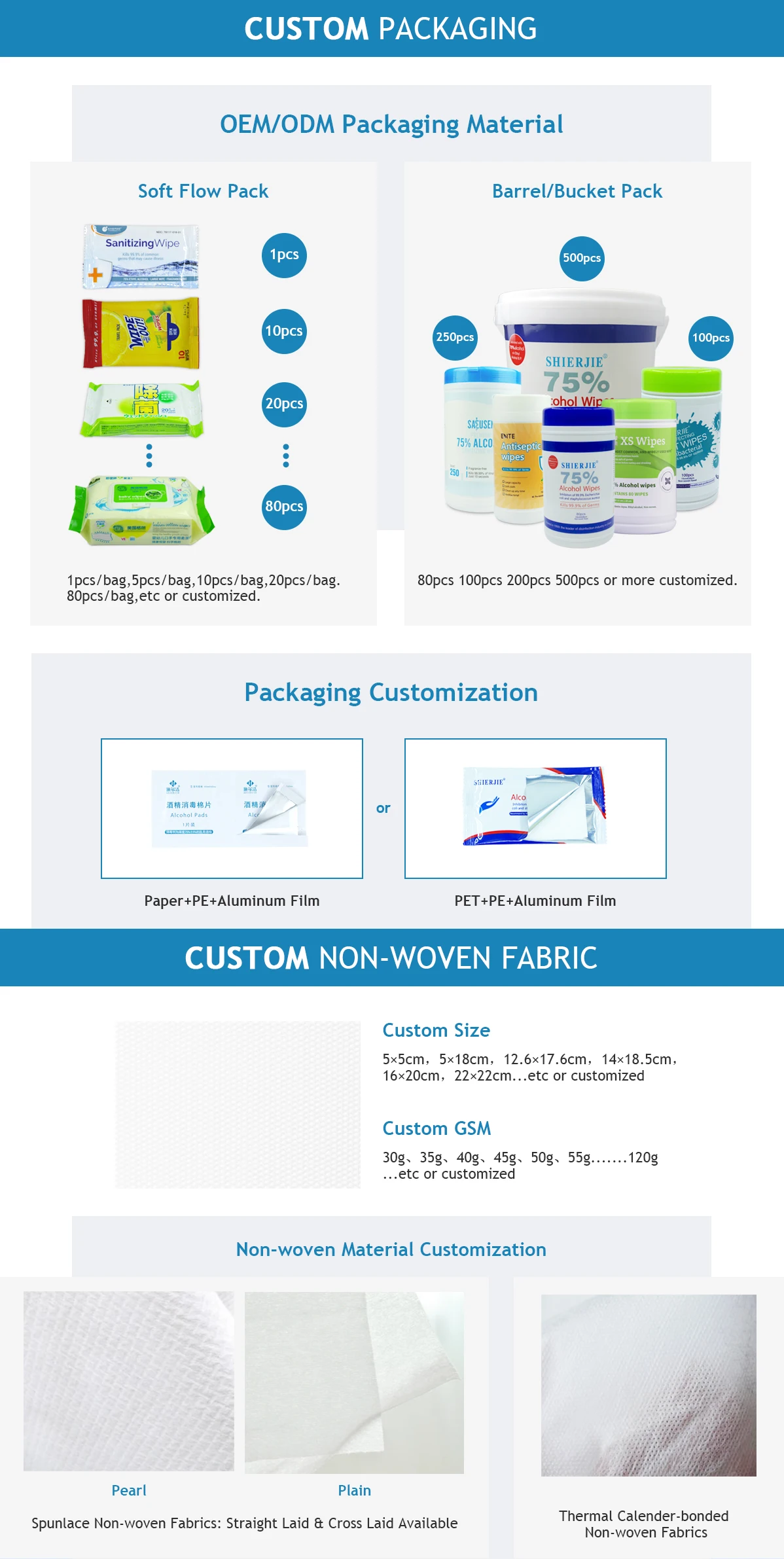
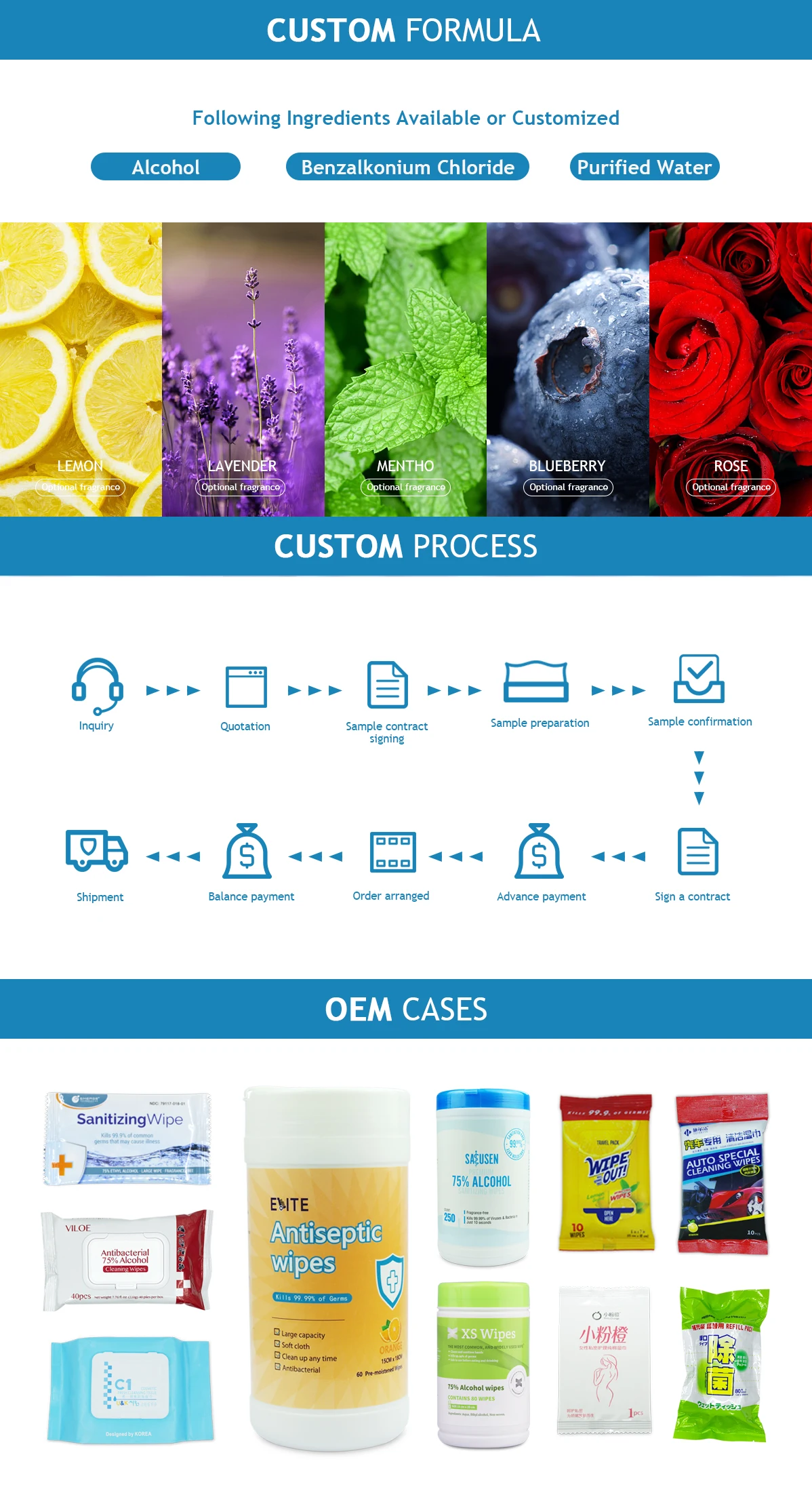
Certificates
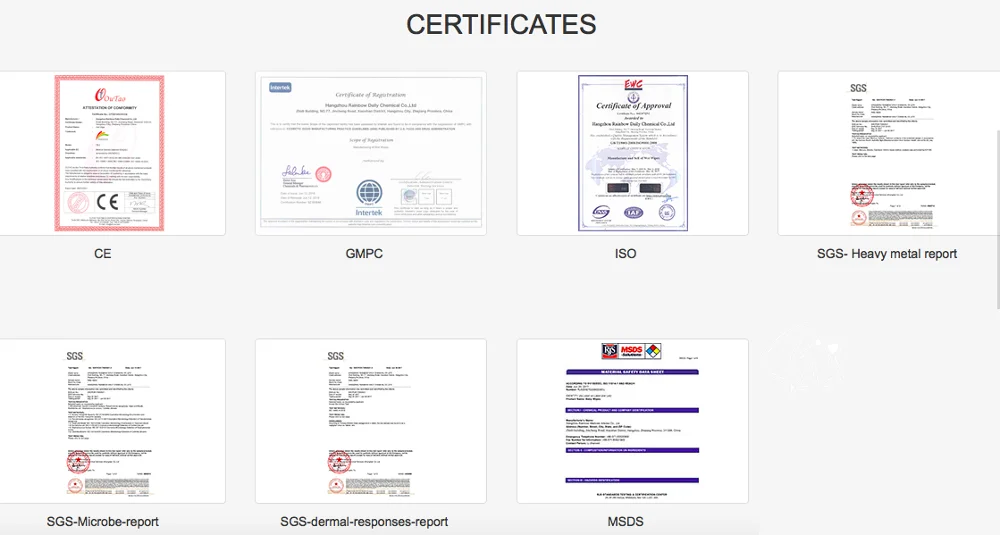
Company Profile

Hot Tags: femfresh sensitive wipes, China femfresh sensitive wipes manufacturers, suppliers, factory, Moisturizer Wipes, Wet Tissue Makeup Remover, Facial Cleanser Wipes for Sensitive Skin, Best Facial Cleanser Wipes, Soft Wet Cleaning Wipes for Face


